Showing posts with label toxins. Show all posts

Sunday, September 21, 2014

Preserving Soap Nut Liquid

I started using soap nuts last spring when I was fighting a nasty battle with the yeast in my daughters' cloth diapers.  I'd been cloth diapering for nearly seven years without ever having this problem.  Everything I used to strip the diapers of the yeast and get rid of the horrific yeast rashes on my girls wasn't working.  Someone recommended washing them with soap nuts and at that point I was willing to try anything.  I did it and haven't turned back.  In fact, I loved them so much I started using them for all of our laundry.

Soap nuts are actually berries that grow on trees native to India and Nepal.  These berries contain saponins, making them a wonderful, natural cleanser for everything from laundry to dishes to even personal care.


Soap nut suds for the dishes

Soap nuts are also an extremely environmentally-friendly soap option because the trees they grow on do not need to be sprayed with pesticides.  The berries are naturally pest-resistant.  The soap does not contaminate water and the nuts can be composted after use.  It doesn't get much better than that!


The annoying little laundry bag

The most common way to use soap nuts in your laundry is to crack open a few, place them in a cloth bag, and toss them in with your laundry.  I have found that using them this way in my laundry creates several problems - it can be annoying to find the little baggie in the clean load of laundry and it can be difficult to determine whether or not your nuts are still creating suds.  Each nut should last through at least three loads of laundry, but I have found that their length of use is dependent on which cycle you are using on your machine.  Cloth diapers, for example, typically have an extra rinse, so if I do not fish the baggie out between the wash and rinse cycles the nuts will be exposed to water again and lose more of their strength.

To fix these issues I decided to make my own concentrated soap nut liquid.  But this liquid can spoil, so I had to figure out a way to preserve it.  Many people freeze their liquid in ice cube trays and throw a few in each load, but with limited freezer space in my house (and a slight canning addiction) I figured canning would be a better option.

Here's how I do it:

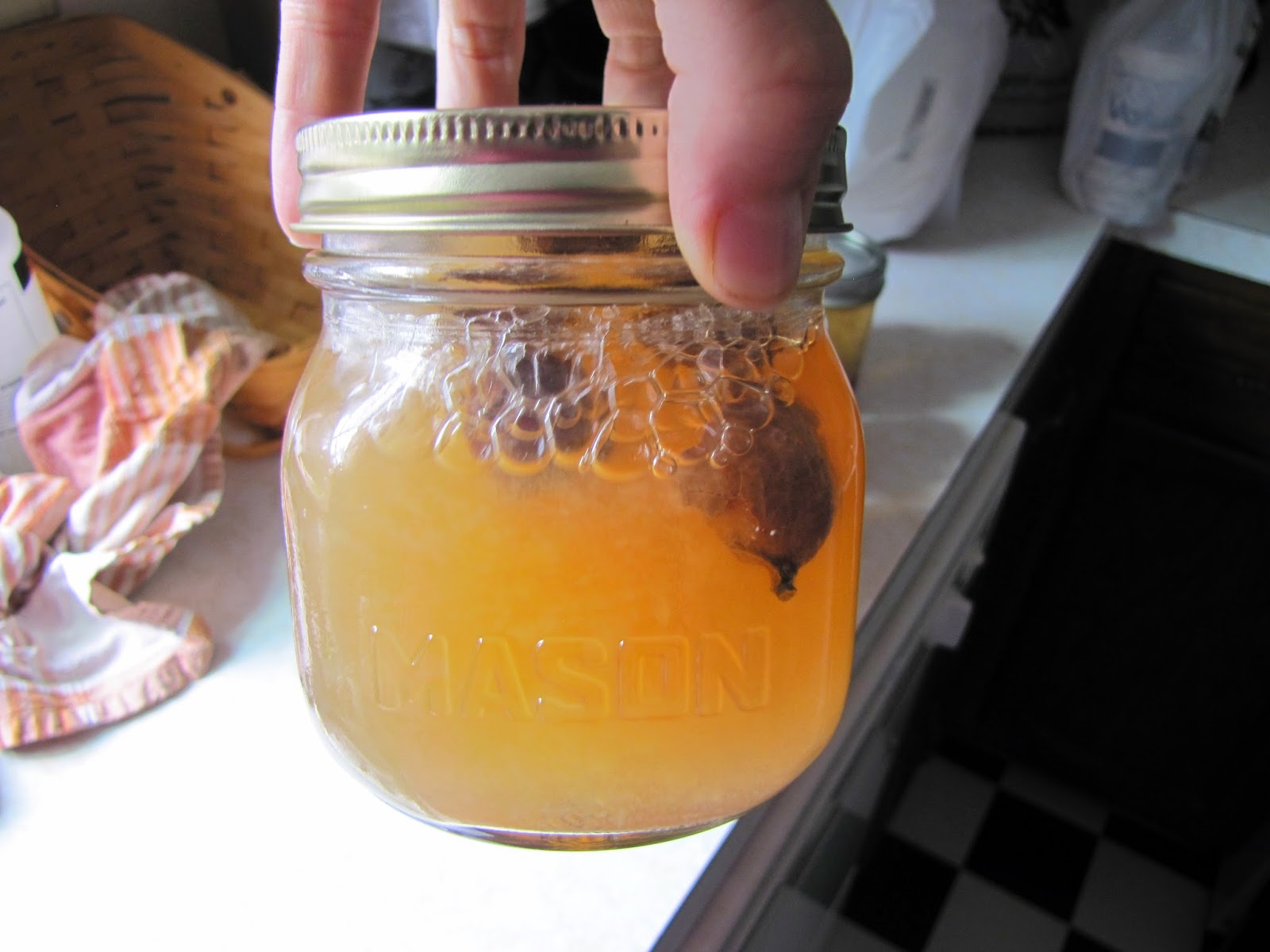
I use smaller jars - pints or half-pints - since the liquid can spoil.  Each half-pint will get me about three loads worth of soap, so with a family of six that cloth diapers I can easily use that up before it spoils.  I place 2-4 cracked nuts in the bottom of each jar.


Next I fill the jars with water.


Process in the pressure canner for 15 minutes on 10 psi or the water bath for 30 minutes and you have your liquid soap.


It's that easy!  


When I open a new jar I strain it into a different jar and then throw the cooked nuts into the compost.


A few things to note about the soap:

*I use approximately 1/4 cup liquid per load of laundry.  

*The soap itself is nearly scentless.  If I had to describe the smell it would be slightly fruity, but none of it remains on the clothing.  If you like scented laundry soap you could add a few drops of essential oil to the liquid after you open the jar.

*I have not had any issues with staining clothing, but when I do a load of whites I make sure to add the liquid to the water instead of just throwing it directly on the clothing.

*I use vinegar as a fabric softener and have not had any issues with it combined with the soap nut liquid.

*If I open a jar and am not going to use it within a few days I will put it in the fridge.  I'm not quite sure how long it would last in there before spoiling, but I've used some after a week and it was fine.


The laundry cabinet

If you're looking for a cheap, environmentally-friendly, and gentle cleanser I would definitely try out soap nuts!  My next experiment will be using the liquid as a shampoo.  I'll be sure to share how it goes.

God bless!

Jessica

Sunday, January 5, 2014

SCD/GAPS/Paleo: The Plan

To follow-up from my last post, I thought I would share a little more about the actual diet.  The theory is that certain individuals have what's called a leaky gut - intestinal or bowel hyperpermeability.  Essentially, in these people the lining of their intestinal tract contains holes resulting from things like poor diet, infections, medications, and toxin exposure.  When these people eat food, particles of the food, toxins, and other molecules can break the barrier of the intestinal wall and end up in their bloodstream, causing an immune system reaction.  For me the reaction is Crohn's Disease and for my son it is allergies (rashes, itching, and in the case of major exposure, anaphylaxis).

The digestive system is filled with over 100 trillion microorganisms (gut flora), some good and some bad.  People with a leaky gut have an overgrowth of the bad bacteria and are deficient in good bacteria.  I have had testing done to confirm that this is the case with my body and am assuming the same is true for my son.  We aren't sure how this happened with him, as he seems to have been born with his allergies, but our theory is that the megadoses of antibiotics and steroids that he was exposed to in utero and shortly after birth through breastmilk may have something to do with it.  Scientists don't really know why this happens. 

Bad bacteria in your gut feed off of sugar and carbohydrates.  By altering the nutrition that we take into our bodies, we can stop feeding the bad bacteria so it dies off, and allow for the good bacteria to take over.  Once you have the proper balance of bacteria, the gut can be healed and proper digestive/immune responses occur.  This is the goal of this diet, which is outlined here:

What We Can Eat

Meat - all antibiotic and hormone-free beef, lamb, pork, poultry, and fish
Eggs - antibiotic and hormone-free
Dairy - homemade raw milk yogurt, natural cheeses - made from antibiotic and hormone-free milk
Veggies - fresh and frozen organic vegetables; home-canned vegetables; artichoke, asparagus, beets, broccoli, Brussels sprouts, cabbage, cauliflower, carrots, celery, lettuce, Lima beans, mushrooms, onions, parsley, pumpkin, spinach, string beans, turnips, cucumbers, eggplant, garlic, kale, peas, squash, tomatoes, watercress
Beans - only properly soaked; navy beans, lentils, split peas
Fruit - fresh, dried and frozen organic; avocados, apricots, bananas (ripe only), berries, cherries, coconut, dates, raisins, grapefruit, kiwi, lemons, melons, nectarines, peaches, pineapple, rhubarb, grapes, kumquats, limes, mangoes, oranges, papaya, prunes, tangerines; apples and pears only from farmers who you know have not sprayed with antibiotics
Nuts - only properly soaked; almonds, pecans, Brazil nuts, hazel nuts, walnuts, cashews, boiled chestnuts; nut flour
Juice - organic and watered-down tomato juice, orange juice, pineapple juice, grapefruit juice, grape juice, apple cider  
Weak tea  
Honey
Oils - olive oil and coconut oil
Others - mustard, unflavored gelatin, vinegar, spices, baking soda, unsweetened chocolate
Alcohol - dry wine, gin, Scotch, bourbon, and vodka

What We Can't Eat

Meat - processed meat (bacon, hot dogs, lunch meat, etc.), smoked meat, canned meat
Dairy - processed cheese, cottage cheese, cream, feta, mozzarella, primost, gjetost, ricotta, store-bought yogurt, buttermilk, sour cream
Veggies - commercially canned; corn, white and sweet potatoes, yams, parsnips, okra, sea weed
Beans - chick peas (no hummus), bean sprouts, soybeans, mung beans, fava beans, garbanzo beans; no bean or lentil flour Grains - all, including oats and rice
Fruit - canned, dried with sulfites, banana chips
Nuts - peanuts or salted nuts of any kind
Seeds - none are allowed
Juice - canned tomato products, apple juice, juice boxes
Oils - margarine, soybean oil, canola oil, corn oil, vegetable oil
Other - cornstarch, arrowroot starch, tapioca starch, sago starch, carob, agar-agar, carrageenan, pectin, baking powder Sweeteners - sugar, molasses, corn syrup, maple syrup, artificial sweeteners, sucrose, lactose
Alcohol - beer, sherry, cordials, brandy 

Here is what the last 24 hours of eating looked like for me:

Breakfast - two pastured eggs scrambled and served over a bed of spinach and raw milk cheddar cheese; hot tea; a few bites of raw milk yogurt
Snack - pastured beef gelatin (made with orange, pineapple, and cranberry juices)
Lunch - bowl of split pea soup (made with soaked green split peas, homemade beef broth, green beans, pastured beef, garlic, onion, and peas); hot tea
Snack - raisins and sprouted almonds
Snack - grape tomatoes and goat cheese
Dinner - pastured ground beef browned and mixed with BPA-free tomato paste, served over zucchini noodles; baked broccoli (made with olive oil and sea salt)
Snack - slice of cheese

Here is what the last 24 hours of eating looked like for my son (dairy-free):

Breakfast - two pastured eggs scrambled; two almond cookies (made from freshly ground sprouted almonds, cashew butter, honey, eggs, and homemade vanilla extract) covered in home-canned cranberry sauce and drizzled with honey; over-ripe banana
Snack - raisins
Lunch - bowl of split pea soup (made with soaked green split peas, homemade beef broth, green beans, pastured beef, garlic, onion, and peas)
Snack - bowl of sprouted almonds
Snack - bowl of pastured beef gelatin (made with orange, pineapple, and cranberry juices)
Dinner - pastured ground beef browned and mixed with BPA-free tomato paste, served over zucchini noodles; baked broccoli (made with olive oil and sea salt); hot tea
Dessert - one almond cookie

As you can see, there is no shortage of delicious food options.  It took some getting used to, but once our taste buds adjusted to not being overloaded with sweets, we learned to find pleasure in simple things, like a piece of raw fruit or a tiny amount of honey.  

-Jessica

Monday, November 12, 2012

Homemade Lip Balm

I suffer from terribly dry lips.  In the winter they crack and bleed and look just awful.  Unfortunately, my oldest son inherited my lovely dry skin and suffers from the same problem.  I've always settled for less than natural chapsticks for myself, but when my son started needing something to moisturize his little lips, I began a search for safer alternatives.

ChapStick brand lip balm is some seriously nasty stuff.  The original flavor even contains the controversial carcinogenic oxybenzone.  The full list of ingredients is:  arachidyl propionate, camphor, carnauba wax, cetyl alcohol, D&C red no. 6 barium lake, FD&C yellow no. 5 aluminum lake, fragrance, isopropyl lanolate, isopropyl myristate, lanolin, light mineral oil, methylparaben, octyldodecanol, oleyl alcohol, paraffin, phenyl trimethicone, propylparaben, titanium dioxide, white wax, propanol.

Gross!  I wouldn't eat any of that stuff or feed it to my kids, so why would I want to rub it on our lips, where it could potentially end up inside of our mouths?

Burt's Bees is a common "natural" brand that is a little better for you.  The ingredients for the beeswax lip balm are:  beeswax, coconut oil, sunflower seed oil, peppermint oil, lanolin, tocopherol, rosemary leaf extract, soybean oil, canola oil, and limonene.

These ingredients aren't horrible, but I know that the oils and extracts that companies like this use are not food-grade.  I wouldn't fry my eggs in the canola or soybean oil they use in this product, so I don't want to taste it on my lips.

I had finally found a great locally-made chapstick at our local bulk foods store, but the Amish man who made the stuff moved out of the area and it was no longer available.  After my son ruined my last tube of this wonderful stuff, I decided to look at the ingredients and see if it was something I could handle making myself.


I felt really silly for paying that $2.99 after taking a look at how simple it is - beeswax, coconut oil, honey and vanilla extract.

The beeswax is to help solidify the mixture.

The oil is obviously the moisturizer.  As you may know, I'm a huge fan of coconut oil for its nutritional benefits.  But coconut oil is also antimicrobial and anti-aging because of its high lauric acid content.  It's great for skin and can even help heal bruises and rashes.

The honey is what preserves the lip balm.  Not only does the honey taste good, but it will keep the mixture from molding.

The vanilla is for flavor, but you could use anything in its place.


For my balm I decided to use peppermint oil instead of vanilla.  I like the soothing and calming effect that peppermint seems to have on me.

My recipe:

10 T coconut oil
3 T beeswax
1 T honey
30ish drops of essential oil

I placed the coconut oil and beeswax in a double broiler and melted it down.  It would be much faster to grate or chop your beeswax.


Once everything melted I added my honey.  Make sure your honey completely mixes with the oil.  It's going to naturally want to separate, so it takes a little work to keep it mixed.

Once you take it off the stove, add your essential oils.  If you add the oil while it's on the heat you run the risk of breaking it down and losing the scent.

From here I filled my containers.  I prefer a lip balm that I can use my finger to apply, but my son needs it in a tube or we'll end up with grease everywhere.  You can order empty tubes online.

For this batch I filled empty lidded paint cups that I got at Hobby Lobby 12 for $2.99, so they end up costing a quarter each.  The great thing is that they can also be reused when I make my next batch.


I use one of my kids' medicine syringes to fill them.  Something like this is especially helpful for filling the tubes.


You want to make sure you stir your mixture before filling each container.

The recipe I posted above filled 15 of my containers.  I figured my cost to be a little over fifty cents each.  Why would I ever buy lip balm again??


This stuff is rich and creamy and really stays on your lips for a while (that is if you can keep from licking it off your lips - it tastes wonderful)!

These would make a wonderful Christmas gift for friends and coworkers.  You could even slap a cute mailing label around the container to dress it up a bit.


The total time to make these was less than twenty minutes and it was so easy my five year old could do it.  In fact, when his empty tubes arrive in the mail I plan on having him make his own batch (with a little supervision).

After this project I have realized just how much money you can save by making your own moisturizing products.  In the next week I plan to make some diaper rash cream, lotion bars, belly butter (to prevent stretch marks on my pregnant belly) and cream for my second child's eczema.  I'll make sure to share my results after some experimentation when I settle on recipes that work.

I think we know what everyone around me is getting for Christmas this year! :)

Thursday, March 15, 2012

Fish Safety

I believe that human beings were meant to consume large amounts of fish and other seafood, considering that it is one of the best sources of many of the essential vitamins and minerals.  Fish is one of the few foods on earth that requires little (if any) work on the part of humans to grow and is abundant pretty much anywhere (minus the desert, of course). 

The problem is that modern life has contaminated many of the world's bodies of water, leaving the fish living there unsafe for human consumption.  The main source of contamination that people are aware of in seafood is mercury, but that is only one concern.  Many other toxins are common, including: flame retardants, PCBs, chlorinated dioxins, pesticides, oil, arsenic and melamine, just to name a few.  These toxins are either present in the water in which the fish live, or in the food they are given.

Living in Ohio, there are many streams and lakes nearby for fishing, but after speaking with an ichthyologist at a local university who has tested toxicity, I don't feel safe eating anything that lives in them.*  Since I try very hard to only eat local and ethically-raised meat sources, this leaves me with very few options.

But as the mother of a dairy-allergic child, I realize how important the calcium and vitamin D that seafood provides is for my son.  His options for foods high in these two nutrients are more limited simply because he cannot drink milk.

I have found that the Environmental Defense Fund has some excellent resources for seafood safety.

Here is a complete list of Seafood Eco-Ratings.  According to this chart, you shouldn't consume any of the following items due to high mercury or PCB content:

All bluefish
Chilean sea bass
Blue crab
Summer flounder
All lingcod
All marlin
All opah
All orange roughy
Yellow Perch from Lakes Huron and Ontario
All rockfish
All salmon (except wild Alaskan)
Mutton snapper
Summer flounder
Atlantic sturgeon
Imported wild sturgeon
All swordfish
All tilefish
Canned white/albacore tuna
Bluefin tuna
All wahoo
All walleye

Some people choose to take a fish oil supplement in order to get their nutrients.  The Environmental Defense Fund also has a list of the safest supplements to take.  Never take the following brands of fish oil:

Kmart brand
Omega Protein
Rite Aid
Solaray

To learn about the best sushi choices (both for your health and the environment) check out this list.

So it looks like for me and my family, with a very limited selection of seafood in the grocery store, our safest bet is to stick with wild Alaskan salmon, shrimp from Oregon, U.S. tilapia, and U.S. or Canada albacore tuna. 

-Jessica

* Except for the fish from one river about 45 minutes away that he said had been tested as clean.  This stream runs from a mountain at a high elevation and if you catch fish from higher up, they are less toxic.  This ichthyologist said that is a good rule of thumb for eating fish that you have caught - the higher the elevation (so long as it is upstream from any potential pollution sources), the safer the fish.

Source - Environmental Defense Fund.   http://www.edf.org/


Saturday, June 26, 2010

Links of the Week

I have a habit of saving interesting links I find in my favorites with the intention of sharing the information here at some point, but what ends up happening is that the links begin to pile up and then I do a mass delete before I get the chance to use them.

What I'd like to start doing is sharing any interesting health-related links that I come across once a week here for you guys.  These are from the last several months, so forgive me if you've already read a lot of these.

PARENTS OF SMALL CHILDREN - PLEASE READ THIS ONE: Lead Found in Children’s Foods and Baby Foods from the Environmental Law Foundation - June 10, 2010 and the list of tainted and safe products.

Food Cravings: What They Really Mean from Naturopathyworks

The Toxic Truth Of Sunscreen (check out the photo slide show) from the Huffington Post - May 27, 2010

What Happens To Your Body Within An Hour Of Drinking A Coke from the Nutrition Research Center

Wednesday, June 16, 2010

A Plastic-Free Life

I've been slowly trying to reduce the amount of plastic in our home over the past few years. It all began during the great BPA (Bisphenol A) scare of 2008, when I decided to replace all of my plastic bottles with glass ones and started storing my food in glass instead of Tupperware.

Lately I have been inspired by several other bloggers to make more drastic changes to our lifestyle. Blessed at O Blessed Day linked to an interesting documentary called Addicted to Plastic, which pretty much sealed the deal for me. I had heard of the Great Pacific Garbage Patch, but after seeing pictures of the wildlife affected by our plastic pollution and hearing more about the health effects of these plastics to human beings, I'd had enough.

Just yesterday I came across another wonderful blog, Fake Plastic Fish, that gives many helpful tips for decreasing your dependance on plastic. Because that is the hardest part about all of this - our society is dependent on it. Plastic has revolutionized the ways in which we prepare and store our food, dress ourselves, drive our cars, clean up - every aspect of our lives involves plastics in some form. Thinking about trying to live plastic-free is depressing and overwhelming, because you realize just how impossible it is to do.

With that said, my goal is not to live completely plastic-free, because I know that there is value to it in some parts of my life. I can't imagine a hospital stay without the use of plastics. My goal, however, is to limit my amount of waste from "unneccessary" plastics.

What is the impact of plastic on our health?

Let's start with the manufacturing process, which pollutes the environment with toxic chemicals. Fossil fuels are used to make plastic, and we are all aware of the price our environment is paying for our addiction to fossil fuels. All we have to do is take a look at what is happening in the Gulf Coast right now.

And there is the disposal of these products. Recycling plastics is difficult, because one plastic bottle often contains many different types. When it isn't cost effective, those items are thrown into landfills. In 2007, only 6.8% of total plastics were recycled.

The average American produces about 63 pounds of plastic packaging per year, making it 16% of the solid waste in this country. These items take centuries to biodegrade and are filling our landfills at an unsustainable rate.

Littering is also a problem. 60-80% of the litter comes from plastic, which is then consumed by wildlife. This is the wildlife we often eat. Those polyethylene microbeads in our cosmetics are plastic and they are washed away into our waste water, eventually finding their way into our rivers, streams, and oceans. Fish consume the polluted water and then traces of plastic end up on our table when we want seafood.

Just being around it can be toxic to our systems. If we can smell it, we are breathing it in. It we can taste it, we are ingesting it. Heating our foods in plastic and even storing it there in many cases, causes it to leach into the food we eat.

Scientists now believe that plastics, like Bisphenol A, can disrupt our hormone levels.

When there is all of this evidence against it's use, why would we want to continue to damage our bodies and the earth?

My Plan

I went around my house from room to room and wrote down everything I use on a daily basis that contains plastic. I'm sure I forgot many things as I did this exercise, but most of the obvious ones were found. From there I made a list of items that are plastic and need to be changed, items that I have changed already, and an action plan.

I only included disposable items at this point. I realize that most of the furniture and electronics in our home contain some type of plastic, but I am not concerned with them for this exercise.

Bathroom

Plastic

Toothbrush
Hair brush
Lotion
Hair pins
Contact solution
Contacts
Contact case
Mouthwash
Sunscreen
Razors
Toilet paper (for husband)
Shampoo (for husband)
Q-Tips
Toothpaste
Floss
Children's bath soap

Changes Already Made

Bar soap
Baking soda (instead of children's toothpaste)
No make-up
No shaving cream
Family cloth
No Hair-care products
Mama cloth
No shampoo
No deodorant
Cloth shower curtain

Action Plan

1 - The easiest and most obvious change I would like to make is to stop wearing my contact lenses. I have been wanting to stop using them for quite a while, because I don't like rubbing chemicals into my eyeball, but I haven't taken the plunge yet.

2 - I would like to stop using the children's bath soap and have them use my bar soap instead.

3 - A better option for disposable razors and toothbrushes. Possibly reusable bases with only disposable heads?

4 - Homemade lotion

Nursery

Plastic

Diaper cream
Swim Diapers
TOYS

Changes Already Made

Cloth Diapers
Cloth Wipes
Cloth Training Pants
Re-Usable Diaper Pail Liner

Action Plan

1 - Diaper Cream Alternative

2 - Reusable Swim Diaper

3 - No more plastic toys unless they are bought second-hand.

Cleaning

Plastic

Dish Soap
Dishwasher Soap
Vinegar
Dish Scrubbers
Diaper Detergent
Vacuum Bags
Trash Bags

Changes Already Made

Baking Soda
No cleaners
Homemade laundry detergent (all ingredients come without plastic packaging)
No paper towels
No paper napkins

Action Plan

1 - I have had bad luck finding a homemade detergent that works on my cloth diapers. I will continue to experiment.

2 - I read that baking soda works well as a dish detergent, so I will try that. I have yet to find a homemade recipe that works well in the dishwasher.

3 - Switch to vinegar that comes in glass bottles that can be reused and recycled.

4 - No more plastic dish scrubbers. Use rags.

5 - Look into alternatives for trash bags.

Clothing

Plastic

Bras
All clothing items containing synthetic materials
Socks/undies that come in plastic packaging
Pantyhose
Shoes
Plastic Hangers

Changes Already Made

All second-hand clothing for me and the boys
No jewelry containing plastic

Action Plan

1 - No more buying new items made from synthetic materials, especially pantyhose. I can only buy these items second-hand.

2 - No more plastic hangers.

3 - Look into more environmentally-friendly shoe options.

Kitchen

Plastic

Sandwich Bags
Medicine Bottles
Condiments
Yogurt
Produce Bags
Beverage bottles
Bread Bags
Cheese
Spices
Oil
Hummus
Fish
Frozen vegetables
Sugar
Bacon
Straws
Chips
Raisins
Bulk Food Packaging
Coffee
Sippy Cups
Bottle nipples
Breast Pump Parts
Children's utensils

Changes Already Made

Cloth Grocery Shopping Bags
Milk (comes in glass container from local farm)
Glass baby bottles
Meat (packaged at butcher in paper)
Eggs (come from farmer in cardboard)
More homemade foods
Reverse Osmosis Water Filtration System
Reusable Glass Water Bottles

Action Plan

1 - Limit the number of foods on the list that are packaged in plastic.

2 - Start making my own condiments from fresh ingredients that are not packaged in plastic.

3 - Make reusable sandwich bags

4 - Purchase glass straws

5 - Next time we need new sippy cups, buy a glass or stainless steel alternative.

6 - No more plastic produce bags at the grocery store. Bring my own or go without them.

7 - Go to a different bulk food store where the food is not already packaged in plastic.

Purse/Junk Drawer

Plastic

Pens
Tape
Highlighters
Lighters
Batteries
Chapstick
Bank Card
Stickers

Changes Already Made

No credit cards

Action Plan

1 - No more pens. Pencils instead.

2 - Rechargeable batteries.

3 - Paper tape.

4 - Matches instead of lighters.

5 - No more stickers for the boys. We can draw on the chore charts instead.

Entertainment

Plastic

Movies
CDs
Video Games
Photo Prints
Home decor
Ammunition

Changes Already Made

We have been buying a lot of items second-hand, but when we do this it is usually online. The shipping process creates more plastic waste.

Action Plan

1 - Use the library more for books, movies, and music.

2 - No more photo prints to be put in albums. We can save them to disk and print only what we want to frame.

Health/Cost Benefits

Many of these items will cost a lot upfront, like the glass straws, swim diapers, and rechargeable batteries, but in the long run they will save me money. The savings will be significant if I no longer have to buy sandwich bags, trash bags, disposable swim diapers, dish detergent, contacts, etc.

Not buying and eating the processed and packaged foods is better for my health. By buying my ingredients in bulk, storing them in glass, and making all of my food from scratch, I will be heathier and have more money to spend on more important things. Extra money means less stress, which is always good for your health :)

Limiting plastics is going to be a lifestyle change, which is close to where we have been headed on our journey, but just gets us there a little faster. One day, when we eventually build our home, we have decided to do it out of recycled building materials and with as little plastic as possible. 

As sad as it is, our community does not have a recycling program.  In order to recycle you have to drive all of your waste downtown and unload it yourself.  Adam and I did this for a long time, but stopped when David was born.  We are now working to pick this practice back up, and are looking at purchasing a pick-up truck, organizing collection in our neighborhood and driving everyone's stuff there ourselves on Saturdays.  We are just waiting for the Lord to provide us with the funds to purchase the truck, if that is what He wants us to do.

This decision means no more convenient, single-serve items.  There will be no more impulse buying.  It will require more work and more planning on our part, but I feel that our family's health and our responsibility to the planet and God are what is most important!

Join me!

-Jessica

Sources:


http://discovermagazine.com/2009/oct/21-numbers-plastics-manufacturing-recycling-death-landfill

Friday, May 21, 2010

Homemade Tea

Non-organic tea can be really dangerous.  Most of the popular non-organic teas that we drink here in America were treated with a number of chemical pesticides and fungicides prior to being harvested.  The leaves are rarely washed before they are dried, so essentially we are steeping a flavored toxin tea when all we wanted was a hot, healthy beverage.

On top of the chemicals, many brands, like Celestial Seasonings, add "natural flavorings" to their tea blends.  These flavorings, created in a laboratory, could mean just about anything and are far from natural.

Organic tea can be expensive, so one option is to grow and make your own tea.  It's actually very simple.

Here are some instructions for making mint tea.  I love mint tea and use to help with a stomach ache, because mint is nature's anti-nausea medicine.

Step One:  Cut your mint.  With mint it is best to harvest your leaves between 9 AM and 12 PM, because this is before the heat from the sun has had a chance to dissipate all of the oils in the leaves.


Step Two:  Remove the leaves from the stems and give them a really good rinsing.  Make sure to compost your stems.


Step Three:  Dry your leaves.  You can do this many different ways.  Some people like to hang their herbs upside down (stems and all) to dry outside, but this takes 2-3 weeks.  If you live in a warmer climate where the temperature will stay over 100 degrees for as long as it takes the leaves to dry, you can do this outside by placing your leaves on something like a window screen to dry.  I prefer to use a food dehydrator.  It takes very little time, uses little energy, and ensures that my leaves get completely dry and will not end up molding.


Step Four:  Once your leaves are dry and crispy, you can crush them.  Just make sure you don't make the flakes too small or you will have a lot of floaties in your tea.


Step Five:  Steep your tea.


Step Six:  Enjoy!


Make sure you store your dried herbs in an air-tight container.  Your herbs also retain better flavor if you wait to crush them before storing, so only crush what you need for one cup of tea at a time.  Always check your leaves for signs of molding before using them, and discard them if they are turning brown.  If you keep them in a dry, cool place away from sunlight, they should last for up to a year in storage.

If you aren't harvesting a large amount of herbs and you just want enough tea for one cup, you can skip the drying and just pull a few leaves from your plant.  Boil the leaves in some water and you will have delicious, healthy, organic tea.

-Jessica

Thursday, May 6, 2010

Toxic Bodies: Follow-Up

I just wanted to share a few follow-up links that I have come across since writing my last post, Toxic Bodies

First, one commenter, Lembit, shared a link to an iPhone app called the Chemical Maze, that will list the preservatives and additives in your food and cosmetics.

Next, a Facebook friend of mine linked a NY Times Op-Ed today that related to the post.  You can read it here.  The article gave a stat that I was looking for when writing my post, but couldn't find.  Here it is:

“Only a few hundred of the more than 80,000 chemicals in use in the United States have been tested for safety,” the report says. It adds: “Many known or suspected carcinogens are completely unregulated.”
That's scary stuff.

Finally, that article linked some great resources for finding out about the chemicals in your environment.  The first is the Skin Deep Cosmetic Safety Database.  I mentioned it last year - it's a wonderful resource that I always use when researching new cosmetics I would like to try.

The other link is to HealthyStuff.org, a site that ranks popular household items for children and pets based on their toxicity. 

-Jessica

Monday, May 3, 2010

Toxic Bodies

There are more chemicals in existance than I could ever count.  They are found in literally everything we use on a day-to-day basis.  But, the scary fact is that most of these chemicals have never been tested on human beings.  The companies that manufacture these items tell us that their products are safe for us in tiny amounts, but they have no proof to either support or oppose their claims.  They also can't tell us about potential long-term damages, because the products haven't been around long enough to know.

It seems like we hear studies coming out in the news every other day about recalls due to toxic chemicals or that suddenly a certain ingredient has been found to cause cancer or infertility.  Remember what happened with DDT?

The problem is that while we may think that a little bit of a chemical sprayed on our apple or a tiny amount of a toxin in our laundry detergent isn't going to hurt anything, we are forgetting that we are constantly absorbing these chemicals into our bodies in one way or another all day long - without a break.  What about the cumulative effects?

Think about your average day and look at just a small amount of your chemical exposure -

We wake up and brush our teeth in fluoride-filled water with chemical toothpastes and wash our faces with soaps full of parabens and sulfates.  We shower in a tub cleaned with bleach, using chemically treated water and rub more chemicals into our skin and scalp through washing, shampooing, shaving, and conditioning.  We then do our hair with more chemicals, inhale the fumes from hairspray, apply aluminum-filled deodorant, put on make-up, lotion ourselves with some more chemicals, spray ourselves and our lungs with some perfume and head to the kitchen for breakfast.

We then sip on our coffee (that is usually mixed with chemicals), made from tap water that is full of toxins and in a liner with paper that has been bleached.  If we drink decaf, it is usually made by taking the regular coffee bean and mixing it with a chemical solvent.  We cook our antibiotic-filled eggs on non-stick cookware or sprayed with a no-stick spray that puts more chemicals into our food.  The rest of our meal is a mixture of pesticides, herbicides, food dyes, additives, preservatives and whatever drugs were given to the animal we are consuming.  We often eat on plastic plates with plastic utensils and cups, which also put toxins into our meal.

After we are done, we wash our dishes with some more chemicals and we wipe the surfaces in the kitchen with toxic cleaners.  We may have some scented candles or fragrance plug-ins somewhere in the kitchen that we are also breathing in.

Time to head to work.  We step out of the house and onto our chemically treated lawns and driveways, buckle up into our cars full of plastic, and start breathing in the lovely fumes from all of the cars on the road.

Once at work, the smell of the industrial cleaners enters our noses and starts giving us a headache.  We go about our day, eating more toxic food and drinking more unhealthy drinks.  Throughout the day we wash our hands with more chemicals - we may even decide to coat our skin in antibacterial lotions

After work, we stop at the salon to get a quick manicure.  We breathe in more fumes while we coat our nails with chemicals.  Once they are dry, we head back to the car and decide to run through the drive-through for some dinner.  The food has all been stored in plastic, heated in plastic, and served in more plastic. 

Back at home, we decide to relax on our flame-retardant couch after dinner.  Our windows are shut, since the air-conditioning is on, so all of the fumes from the paint, fabric, carpet, plastic toys, mattresses, cleaners, lamps, candles, blinds, etc. are just circulating throughout the house.

Before bed we brush with our chemical cocktail one more time and wash our faces "clean" again.  We may take some medicine before we sleep for 8 hours on a chemically-treated pillow that was washed in detergent.
This doesn't even begin to describe our chemical exposure in a normal day.  Every new environment we enter, every surface we touch, everything we rub on our skin, every medicine we take, every food we eat - it all contains chemicals that our governmental agencies tell us are safe in small doses.  But what about the cumulative effect of all of this chemical exposure?

That may be fine for you as an adult, and you may be healthy as a horse, for now.  But what about a small child or even worse, a baby?  Not only are their little bodies less able to handle a toxic overload, which can impact their development and some theorize could be causing the increase in things like ADD, ADHD, Autism, food allergies, etc., but their environments seem to be even more toxic.

Most babies spend 24 hours a day in a chemical-filled diaper, with chemical filled creams on their skin, sucking plastic pacifiers, drinking out of plastic bottles, sucking on plastic toys, and eating from plastic spoons.  And whether you formula feed or breast feed, you are still exposing them to toxins, because most mother's milk that is tested contains high levels of chemicals and toxins, like Bisphenol A.

You may be thinking, well this is insane.  You're just an alarmist (and believe me, I'm used to being told that).  You're probably thinking that this is just the way our modern society is and if it wasn't safe, the government would be doing something about it, right?  Well, what can they do?  Our economy is based on the production and consumption of these things.  What would happen if they no longer exist?

Experts agree that something has to happen.  I recently watched a documentary called The Disappearing Male, which showed how fertility is on the rise.  The sperm count of the average man is decreasing significantly and even the size of the average male baby's testicles is decreasing.  This is due to the mother's exposure to plastics while the baby is in the womb and throughout childhood, which effect the endocrine system and reproductive growth.  This problem has been observed in animals, specifically a group of alligators in a polluted area of Florida.  You can watch the documentary here.

We tell pregnant women to limit their exposure to chemicals, because we know that these toxins can cause birth defects.  We tell them not to clean with chemical cleaners, breathe in paint fumes, eat fish that contain high levels of mercury, take certain medications, etc.  We know that it is dangerous for a fetus to be exposed to those toxins, but why would it be any different for an infant who is rolling around on a surface that was cleaned with bleach or playing in a house that is being painted?  Couldn't the fish with high levels of mercury be affecting a school-aged child that has a compromised immune system?  And what about adults - couldn't some of us be susceptible to damage too?

There just isn't enough testing done to know for sure.  Why risk it?

It's time for us to change our environments - to protect our children from the toxins we surround ourselves with daily.  Of course, we can't change all of our chemical exposure, but we can take steps to significantly decrease the amount.  It as simple as:

  • reading and learning about the ingredients in something before you use it
  • choosing organic foods
  • buying paraben and sulfate free cosmetics or seeing if we can do without them
  • slowly getting rid of the plastics in our homes and trying to purchase items made out of natural materials instead
  • choosing not to treat your lawn with chemicals
  • getting rid of all of your scented candles and plug-ins
  • switching to a free and clear detergent or making your own
  • installing a reverse osmosis system for your drinking water
  • buying unbleached paper products or switching to cloth instead
  • using glass bottles instead of plastic
  • using cloth bags instead of plastic ones when shopping
  • getting rid of your plastic food storage system and replacing it with glass
  • opening your windows to let fresh air in the house
  • buying more house plants to help filter the air
  • washing your hands with natural soaps instead of using hand sanitizer
  • limiting the amount of medicine you take and trying natural medicine instead
  • cleaning with vinegar and baking soda instead of harsh chemicals
  • making your own food from scratch instead of consuming processed items
  • cloth diapering/using mama cloth
  • using natural pesticides/herbicides in the garden
  • driving less
  • and so much more!  I haven't even scratched the surface!!
Just by doing one new thing or getting rid of one new thing each week, you can start to decrease the number of chemicals and toxins that you and your children are exposed to on a daily basis.  Remember that many of the popular chemicals that we use are fairly new and we may just now be starting to see the long-term effects of their usage.  Our children deserve the best chance at a healthy life that we can give them!

-Jessica

Wednesday, April 21, 2010

Homemade Menstrual Cloths

In honor of Earth Day, I thought I would tackle the sensitive issue of menstrual pads and tampons.  Feminine hygiene products contribute to our overall wellness in many ways.  Lots of us use cloth diapers on our children for the following reasons, but we never think to do the same thing for ourselves.

First, their use is expensive.  The average woman in the United States will spend over $2500 on pads and tampons in her lifetime.  That is money spent every month that could be put toward buying ourselves healthier foods or other items necessary for our wellness.

Billions of pads and tampons, as well as their plastic wrappers, clutter our landfills every year, leaching toxins like dioxin into the soil, air and water.  But disposal is not the only factor to consider, because the manufacture of these items also takes a toll on our environment.

The main reason we should all be concerned with the use of disposable pads and tampons is their impact on our health.  A sanitary napkin is made from chlorine bleached wood pulp, the absorbent gel in the center of the pad is made from a plastic, and the leakproof barrier is made from a polyethylene film.  These are not things that we want pressing up against our most sensitive body parts for weeks at a time.  Studies have shown that we may be affecting our reproductive health and fertility by doing so.

Tampons are also made from bleached wood pulp and are even more dangerous, because they are used internally.  They block the flow of air to the vagina, allowing bad bacteria to grow and leading to infections and diseases, like Toxic Shock Syndrome.

The production of the ingredients used to make these items releases nitrogen oxide, sulphur dioxide, carbon dioxide and other toxic gases into the atmosphere.  These toxins have been known to cause cancer and birth defects in humans.

Cloth Menstrual Pads are a safe and easy alternative.  They can be laundered with your clothing, or if you are cloth diapering, simply throw them in the wash with your diapers.  You can carry a wet bag for when you leave the house just like you do with your diapers.

Cloth pads can be purchased online - do a google search for mama cloth or cloth menstrual pads and you will find websites offering a variety of products.  My favorites can be found on Etsy

But even a novice seamstress can create a basic menstrual pad from recycled items in less than a half hour!  If I can do it, anyone can.  I don't measure or make sure my seams are straight, because I figure something you are going to bleed on doesn't need to look pretty.

How to make a homemade pad in ten minutes:

Pick your fabric.  I like to use flannel because it is soft and absorbent.  It's easy to find old flannel shirts or pajama pants at the thrift store or in your own closet.  I've even made some out of my husband's old flannel boxers.

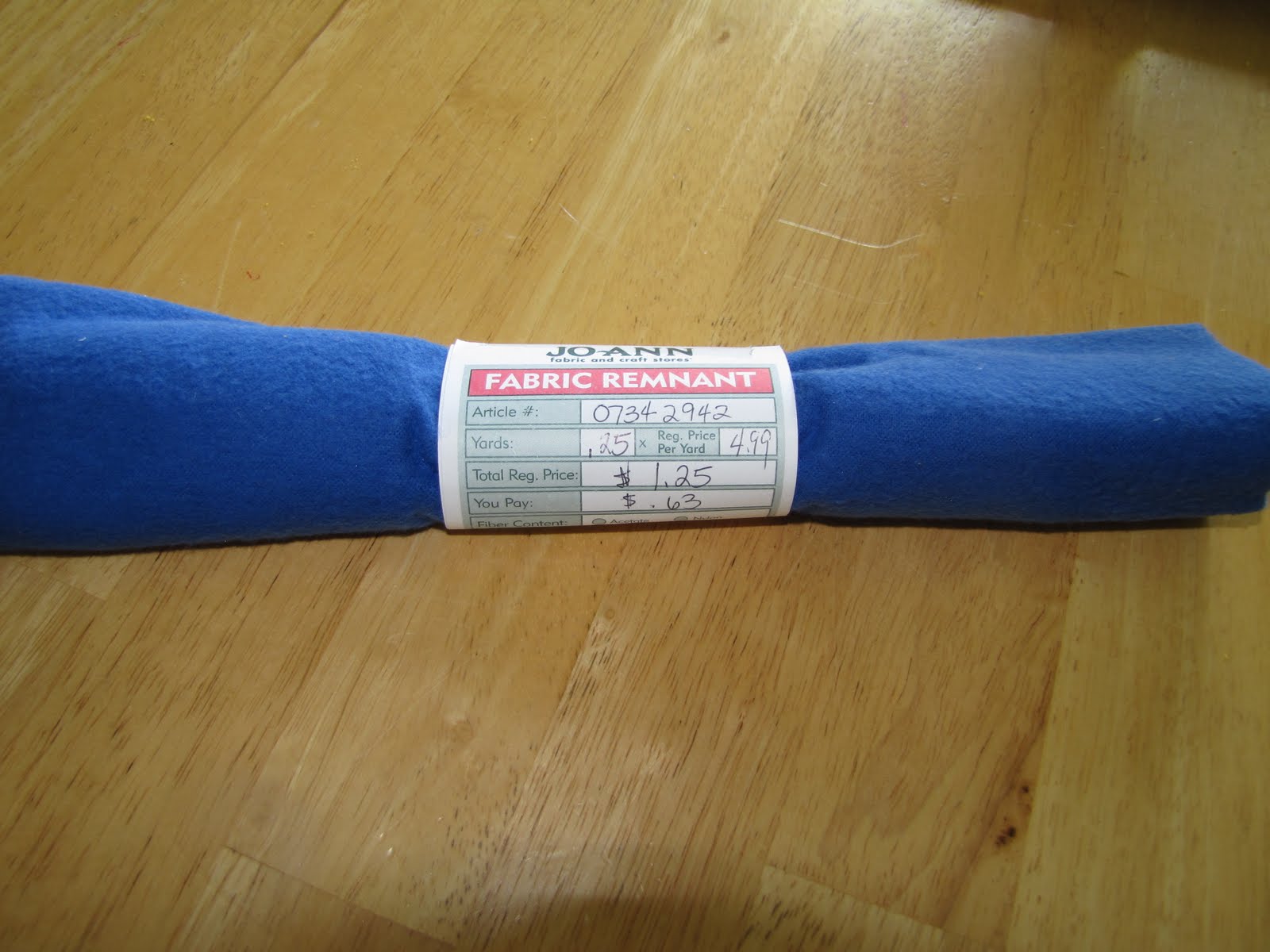
If you can't find any used fabric, most stores have a remnant bin where you can get scraps for very cheap.  This quarter yard of flannel was less than a dollar and I can get at least two pads out of it.


Cut two large ovals.  I don't even bother measuring, because they don't need to be pretty.  I just make sure that they are wide enough to make wings.


Select the fabric for your "insides".  I had a bunch of old, birdseye prefold diapers that make a perfect absorbent core.  If you don't have diapers, an old dishtowel, handtowel or even a few layers of flannel will work just fine.

I cut the edges off of my prefolds so that just the center is left behind and fold it in half.


Sew down the center of your "insides" and attach them to one of your ovals.


Sew the two ovals together inside out.  Leave an open end, which will be sewn together after you have flipped it.

The edges of your flannel will fray after the first wash, so you will need to take some scissors and clean them up.


Sew the sides to make two channels and your wings.


If your wings are large enough to fold underneath and touch, you can add the snaps directly to the wings.  Otherwise, you may need to add some fabric for the snaps.

I made this pad extra thick so that it can be used for nighttime.  I wanted my wings to be thick and to stay pressed against my skin while I'm wearing it, so I added some fabric underneath the pad for my snaps on this one.

It may be bulky, but it will do the trick, and it cost me less than a dollar to make.


To make a postpartum or heavy flow pad, I used two prefold diapers stacked directly on top of each other. 


To make a pantyliner, I used one prefold that had been cut in half.


You can also use velcro instead of snaps.


Or you can create a pocket that can be stuffed with the correct amount of padding for your flow.


I have made several different types and my favorites so far are the ones that have snaps, because I can feel the velcro when I sit.  I also prefer having two channels instead of three, because I feel like it makes the pad fold more comfortably when I move.  Sewing a circular channel on the pad also makes it feel really comfortable.  Regardless, the feeling of the flannel against your skin is 100x better than that scratchy plastic stuff.

My next step is to start creating "all-in-ones" out of old underwear. I feel like it will be much easier to just throw them on with the pad already attached than to worry about snaps.


If you are interested in some real patterns that will make you a better looking pad, I suggest this website - Adahy's Cloth Pad Patterns.

If pads aren't for you and you are looking for a safe alternative to disposable tampons, check out Diva Cups.

-Jessica


Source:

"Sanitary Napkin." Wikipedia, the Free Encyclopedia. Web. 21 Apr. 2010. .

Monday, April 5, 2010

How To Make Homemade Mayo

If you're like me, you probably have a lot of Easter eggs left over from the holiday and you aren't really sure what to do with them.  Egg salad is always the obvious choice, but using mayonnaise is so unhealthy.  Here are the ingredients in common types of mayo and other salad dressings.

Hellman's Real Mayonnaise Ingredients: soybean oil, water, whole eggs and egg yolks, vinegar, salt, sugar, lemon juice, natural flavors, and calcium disodium EDTA.

Soybean oil is the worst type of oil for you.  Surely the types that contain olive oil are better for you, right?

Hellman's Olive Oil Mayonnaise Ingredients:  water, oils (soybean oil, extra virgin olive oil), vinegar, whole eggs and egg yolks, modified corn starch, sugar, salt, lemon juice, (sorbic acid, calcium disodium EDTA), xanthan gum, citric acid, natural flavors, oleoresin paprika, beta carotene.

What about salad dressings?

Miracle Whip Ingredients:  water, soybean oil, vinegar, high fructose corn syrup, sugar, modified food starch, eggs, salt, mustard flour, artificial color, potassium sorbate as a preservative, paprika, spice, natural flavor, dried garlic.

And the soy-free alternatives?


Hain's Safflower Mayonnaise Ingredients:  expeller pressed safflower oil, whole eggs, grain vinegar, water, egg yolks, sea salt, dehydrated cane juice, spice, lemon juice concentrate, honey, d-alpha-tocopheryl acetate (Vitamin E), rosemary extractives, natural flavor, paprika extractives.

They are full of sugar, emulsifiers, coloring agents, preservatives, and chelating agents, as well as the mysterious "natural flavors".  Yuck!  Calcium disodium EDTA has to regulated by the FDA to only be used in certain amounts, because it is a toxin.  Why would we want that in our food?

When making salads I like to make my own mayo.  This recipe tastes great in things like potato salad and egg salad, but does not spread well on sandwiches.


Homemade Blender Mayo

1 egg
2 T lemon juice or vinegar
2 t paprika
2 t dry mustard
2 t salt
2 t honey
1 cup extra virgin olive oil

Add all of the ingredients except the olive oil to a blender or food processor and start.  Slowly add the olive oil as the ingredients are blending.


Egg Salad Recipe

For my egg salad I doubled the recipe and used apple cider vinegar instead of lemon juice. 

Image and video hosting by TinyPic


Image and video hosting by TinyPic


Image and video hosting by TinyPic

Image and video hosting by TinyPic

Add your eggs.

Image and video hosting by TinyPic

Add chopped veggies and stir.

Image and video hosting by TinyPic

Serve on homemade sourdough bread.

Image and video hosting by TinyPic


Enjoy!

-Jess

Thursday, March 18, 2010

Q&A: High Fructose Corn Syrup

I was wondering if you have ever tried doing a high fructose corn syrup (HFCS) free diet. I recently saw a youtube video called "Sugar: The Bitter Truth". It's really long and kind of boring, but it scared me away from HFCS. I've been thinking about trying to do a HFCS free diet, but I've noticed it's in just about everything we have. Have you tried this? Have any tips?

My Views on Sugar

I limit the amount of sugar that I consume for many reasons.  Sugar consumption leads to obesity, heart attacks, artery disease, tooth decay, diabetes, metabolic issues, concentration issues, fertility problems, and upsets the balance of the endocrine and nervous systems. 

Our ancestors did not consume sugar in the same ways we do and our bodies were not designed to consume it in large quantities.  In the past, natural sweeteners were used sparingly to sweeten foods and desserts were viewed as a treat reserved only for special occasions.  But now, the average American consumes more than 22 teaspoons of sugar per DAY (mainly from beverages like soft drinks) and many children and teenagers consume almost double that amount.

If you shop in the grocery store and consume mostly processed foods, you can pretty much guarantee that everything you eat has some type of sweetener in it.  Our taste buds have grown so accustomed to tasting it, that we hardly recognize exactly how sweet our foods are.

And here is the problem with the way we consume sugar in our society - most of our sugary foods (like soft drinks and candy) do not contain fat.  Fat slows the sugar from entering our blood stream in a rush and stimulating insulin and hormone production.  Our "high carb/low fat" diets are literally killing us.  In fact, we should be doing the opposite - consuming higher levels of healthy fats and less carbohydrates.

As a rule for myself, I avoid refined sugars, artificial sweeteners, and even some "natural" sweeteners.  The only sugars I consume are fruits, raw honey, and unrefined maple syrup.  Occasionally I will crave a soft drink or a cookie with sugar, but I reserve those foods for special occasions and do not keep them in the house for myself.

This year for Lent I gave up sugar (except fruit) - honey and maple syrup included - and have not intentionally consumed it for over a month now.  For the first four days my body crashed.  I was irritable, tired, and hungry all of the time.  We forget that sugar is actually a drug (an addictive one) that affects not only your blood sugar, but also your brain chemistry.

But once I made it past those first four days, I noticed that my energy levels started to increase and my mind felt clearer than normal.  After a few weeks more, my appetite started to decrease and I now don't feel the need to snack as much.  My body no longer craves those foods throughout the day.

So, you're probably wondering - what can a person eat if they avoid sugar completely?  Here was my food intake yesterday:

Breakfast - 2 slices of raisin toast with butter and 2 scrambled free-range eggs mixed with chopped spinach.

Snack - some almonds and a few apple slices

Lunch - canned tuna mixed with olive oil and salt/pepper, and a few slices of cheese on homemade bread

Snack - a banana and some pumpkin seeds

Dinner - chuck roast (with the broth used as a condiment for dipping), okra breaded in spelt flour and fried in olive oil, and a bowl of grapes

Snack - 3 pieces of cheese and a slice of homemade toast with butter
My beverages most days consist of unsweetened hot and iced teas, water, and fruit smoothies.

The hardest part about going sugar-free is not having condiments with your foods.  Most store-bought condiments contain HFCS - ketchup, barbecue sauce, taco sauce, salad dressings, mayo, salsa, etc.  In order to have condiments with your food if you are going to go sugar-free, you have to make your own.  If you are just trying to eliminate HFCS from your diet, most organic brands of condiments contain organic sugar or other sweeteners.  They are a little more expensive, but worth it in my opinion - just use a little less to make up for the cost.

Other ways to avoid HFCS and sugars:
  • Make your own jams and jellies, or buy the brands labeled "no sugar added".  Fruit is sweet enough; it doesn't need more sugar to taste good on bread. 
  • Make sure your fruit juice has no added sugar.  Many juices can contain as much, if not more sugar than a can of soda.
  • Make your own salad dressings.  My favorite recipe is a mixture of virgin olive oil, lemon juice, a squeeze of raw honey, garlic, salt, pepper, and any herbs I am in the mood for (dill, sage, rosemary, etc.)
  • Buy plain peanut butter.  The average brand of peanut butter contains more than one type of sugar - HFCS, molasses, honey AND sugar.  Usually when you eat peanut butter, you are spreading it on bread with jelly, which is sweet enough.  You don't need added sugar in your peanut butter.
  • Bake your own bread.  You can even substitute raw honey for sugar in most bread recipes to avoid refined sugars.  Or even better, make some homemade sourdough without any sweeteners at all.
  • Always read your labels and buy unsweetened/plain when available.  You can always add a little honey or sugar to your food if it needs it, but you rarely need the amount that is in the sweetened versions of foods (for example: applesauce and yogurt).
  • Don't buy canned fruit.  Aside from the fact that the lining of the cans is toxic, most of the fruits are soaked in syrup.
  • Cook your food at home.  Nearly everything you eat at a restaurant contains HFCS and sugar.
  • Avoid buying processed foods that say "sugar free".  The sugar in these foods has usually been replaced with artificial sweeteners, which are just as bad for you as HFCS.
  • Watch your processed meats.  Most of them contain sweeteners.
What is the difference between a natural sweetener and a refined sweetener?  Which ones are the best for me?

The following are natural sweeteners. This means they are the least processed and they contain more vitamins and minerals. Use these if you have a sweet tooth!
  • Raw Honey
  • Unrefined Maple Syrup
  • Agave Nectar
  • Date Sugar
  • Sorghum Syrup
  • Barley Malt Syrup
  • Fruit
The following are natural sweeteners that should be avoided for various reasons.
  • Concentrated Fruit Juices - They are composed mainly of fructose in levels so concentrated that your body is unable to regulate blood sugar properly.
  • Raw, Natural, Turbinado, Sucanat, and Florida Crystals - They upset your body chemistry and are refined, which removes most of the nutrients.
  • Brown Rice Syrup - The rice is cooked with enzymes, which are many times genetically modified.
  • Stevia - It is a calorie-free, herbal substitute that does not affect blood sugar. Although it has many medicinal uses, including the treatment of heartburn, its safety is still questionable.
  • Molasses - A byproduct of the processing of sugar cane with a strong taste and moderate sweetness. If it comes from sugar cane grown in the right type of soil, it can contain especially high levels of iron, calcium, zinc, copper and chromium.
The following are refined sweeteners that should be avoided.
  • White Sugar (sucrose) - has little, if any, nutritional value
  • Brown Sugar
  • Refined maple syrup - formaldehyde is used in the production.
  • Corn syrup - is usually genetically modified.
  • Fructose - causes deleterious effects, especially in small children
  • Glucose
  • Dextrin - made by boiling corn starch with acid
  • Dextrose
  • Processed honey
  • Maltodextrin
The following are artificial sweeteners, which have been linked to headaches, gastro-intestinal problems, panic attacks, depression, nervous system disorders (specifically fibromyalgia and multiple sclerosis), male infertility, cell damage, and cancer (specifically bladder and reproductive organs).  NEVER EAT THESE!
  • Aspartame - linked to cancer of the reproductive organs.
  • Saccharin - linked to bladder cancer
  • Mannitol
  • Sorbitol - labeled to warn of nausea, diarrhea, and vomiting.
  • Xylitol
  • Splenda (sucralose) - a chlorocarbon (contains chlorine) linked to organ, genetic and reproductive damage. Lab rats show a 40% shrinkage in thymus gland (foundation of immune system) when given Splenda.
Here's the bottom line!

Avoiding sugar is easy to do if you are willing to put in a little hard work first.  Your body is going to have to detox and it is going to be uncomfortable for a few days or even weeks.  But, once you get past the initial withdrawal, you will start to feel so good that you'll realize a soda isn't worth it.  Your taste buds will also change and most of the foods you once thought tasted good will become too sweet for you.

Make your own food and read your labels.  And as always - everything in moderation.  You're not going to die if you eat a cookie or drink a soda every now and then, but when you eat them day after day your body and brain become addicted and the sugar begins to get every system in your body out of whack.  Stick to natural sweeteners and use them in moderation.

-Jess

Sources

"Exactly What Is Splenda? .: Ask Dr. Hull." Dr. Janet Starr Hull, PhD, CN - Website. Web. 11 Sept. 2009. .

"Substitute Natural Sweeteners for Artificial Sweeteners." Body Cleansing / Detox Plan and Natural Cures. Web. 11 Sept. 2009. .

"Top 10 Dangers of Artificial Sweeteners." Nutrition Supplements News. Web. 11 Sept. 2009. .