I just wanted to share my experience with diffusing essential oils in our home. In researching what happened to my family, I found little information online about the possible negative effects of the oils, but I found plenty of personal experiences and questions like my own in forums being discounted by representatives of different oil companies.
I've been using various essential oils for several years now, mostly for cleaning purposes or to add fragrance to my homemade lotions and chapsticks. Tea tree oil has been helpful with cloth diapering and I have loved adding some lavender or eucalyptus to things like homemade bath salts for wonderful fragrance.
As a lover of alternative medicine and natural healing, I was very excited when everyone around me started talking about essential oils being used in place of over-the-counter medications for minor health complaints like headaches and runny noses. I'm willing to give just about anything a chance, so when my kids' sitter started selling doTerra, I decided to purchase a few items from her. I never went into it thinking they would cure cancer, but I was hopeful that they could help alleviate the symptoms of things like a cold or sleeplessness.
My first purchase was doTerra's insect repellent blend, TerraShield. After spending a very uncomfortable Memorial Day weekend camping with my family and ending up covered head to toe with bug bites because I wasn't willing to spray us down with traditional bug sprays, I was willing to give this a shot. For our Fourth of July camping trip I applied the bug blend to the kids and they didn't seem to be as eaten up after the trip. I'm not sure if that speaks to the effectiveness of the product or the fact that there were less bugs around on that particular trip.
After that I decided to buy a few other products from my friend - the Balance blend and the Past Tense roller for headaches. Balance smelled good - I bought it because I thought it would be a good thing to have on hand in a house with four small children. I can always use some balance! Past Tense was my favorite product by far. If I felt a small headache coming on, there was something soothing about the tingles I would get on my temples and neck where I rolled on the oils. It's not that the headaches went away; I just think the pleasant smells and tingles distracted me long enough to feel better.
After that I bought OnGuard, hoping it would help our house remain healthy this winter, as well as various oils that smell nice to me - lavender, eucalyptus, rosemary, etc.
One day, while babysitting my sick children, our sitter brought over her oil diffuser. She said that diffusing the OnGuard into the air would help to purify it and keep the healthy children from catching the bug that was beginning to sweep through the house. When my oldest son started coughing that night, I didn't connect the diffused oils to it at all and just assumed a cough was part of whatever sickness his body was fighting off. I also began to experience a tightness in my chest, but discounted it as my body beginning to come down with the bug.
It's now been a month since we bought the diffuser and I've tried different oils with the same effect every single time - someone in the house ends up wheezing and coughing. At first I thought it might be that I was just adding too much oil to the water, so I decreased it to only one drop, but that didn't make a difference. Then I stopped diffusing anything with peppermint and eucalyptus in it, as some literature I read said that those oils should not be used around children (they can cause respiratory issues). That meant no more OnGuard in the house.
Soon even things like lavender and lemon, which I was simply diffusing through the house to give it a nice smell, were beginning to bother my husband (who had asthma as a child), me, and my oldest son. I would describe the feeling that I get as the same I have experienced after cleaning with harsh chemicals. It's as if my lungs are irritated and burning.
It is very difficult to find literature about the safety of these essential oils. I've asked several people affiliated with doTerra about the safety of their use, especially around children. All of them have assured me that they are safe to use because they are natural. But just because something is natural, it doesn't mean it is healthy for everyone, right?
In trying to research the safety of the essential oils, I've come across lots of information about side effects in pregnant and nursing women, as well as small children. As a nursing mother with many small children, these are things I didn't even think about before I starting rubbing these oils on myself and my babies. I'm thankful now that we didn't start ingesting them without doing any research.
I feel like in the natural/alternative health community, we are quick to dismiss criticism and we assume that things that come from nature have to be good for us, while anything made in a laboratory is bad. We forget that things like essential oils, which are concentrated far beyond how one would find them in nature, are just as potent and dangerous to some people as pharmaceutical drugs. We wouldn't just give our children dosages of random drugs given to us by friends without researching their safety, so we need to treat the essential oils the same way.
We are no longer diffusing oils in the house. Yesterday was my last attempt and after only ten minutes with the diffuser on, filled with oils that are not supposed to be unsafe for kids or cause respiratory distress, my son was coughing and complaining of shortness of breath, my husband said he was starting to wheeze, and my lungs were starting to burn. Perhaps others can handle the oils, but it sounds like they are an irritant for members of my family. And the response to the inhalation of oils has me questioning the safety of applying the oils topically. Some of these oils are capable of melting plastic, so I'm not sure they should be used without proper training on the sensitive skin of children. We will, however, continue to use the oils for things like cleaning and other home maintenance (bug repellent or adhesive removal - stuff like that).
From now on, if my children are fighting a cold, we'll go back to using herbal teas to help with symptoms - something that used to work for us with great success. A warm cup of peppermint tea is much less potent than the concentrated peppermint oil and can have the same effect. And if I'm looking for a safe alternative to synthetic fragrances to make my home smell better, I'll go back to simmering cinnamon sticks and orange peels on my stove. They smell just as good and I've never had trouble breathing from them.
Since the Internet seemed to be lacking in information about the downsides to essential oil usage, I thought I would share my experience. This is just that - my experience - and I firmly believe we are all created differently, so some bodies may be capable of handling the diffused oils. Perhaps there is something in our home already irritating our lungs and making it hard to tolerate the oils. Or maybe we have allergies or sensitivities most people don't have (as a food and seasonal allergy family, that could be likely). I would just warn anyone reading this to research what oils you are using on your family members before using them and make sure to educate yourself on the proper use of them before doing so. Proceed with caution in the same way you would with any other drug or supplement.
-Jessica
Showing posts with label oils. Show all posts
Showing posts with label oils. Show all posts
Tuesday, November 4, 2014


Monday, December 10, 2012
Homemade Lotion Bars
Note: This recipe makes a very thick, greasy lotion. This is something that is best used for seriously dry skin or skin conditions like eczema. I prefer to use it at nighttime and I find that when I wake the next morning my skin still feels moisturized. It's that thick!
You can find many different recipes for lotion bars. Most include beeswax, a butter of some type (shea, cocoa, coconut, etc.), and oil. After some experimentation, here is what I decided on for mine - Shea butter, Beeswax, Coconut Oil, Almond Oil, and Olive Oil.
Shea butter is pretty much a staple in my house during pregnancy. I go through an 8 ounce container of it each month in an effort to prevent stretch marks and an itchy belly (four pregnancies and no stretch marks, so it must do something helpful). Aside from being a great moisturizer, in Africa where the butter is harvested, it is used as a sunblock and also as a massage oil for painful joints. This makes it the perfect ingredient for lotion.
Shea butter can be pretty expensive if you buy it at your local health food store in a tiny jar. It runs me nearly $10 for an 8 ounce jar. But you can find great deals online in bulk. For this project I found five pounds for $15 (plus shipping) on Amazon.

Beeswax is obviously included in the recipe to help solidify the mixture.
Coconut Oil has many wonderful benefits for your skin - it can help protect you from infection, prevent aging, heal bruises, clear up rashes, and treat skin conditions like psoriasis and eczema.
Almond Oil is a great lubricant that also helps with skin conditions and can fight aging.
Olive Oil is great for dry skin and some scientists believe it can also protect your skin against sun damage and cancer.

Once you have all of your ingredients, the process is very similar to making lip balm. For my recipe I used 1 part shea butter, 1 part oil (1/2 coconut, 1/4 almond and 1/4 olive) and 1/2 part beeswax. Most recipes call for equal amounts of each, but I wanted my lotion to be a little greasier and less solid.
Throw all of your ingredients into your double broiler and let them melt.

Remember, it is much easier to melt the beeswax if it is grated, however, another way to speed up the process is to throw your solid chunk of wax on the heat for a while and once it softens, remove it and chop it into smaller chunks.

Once everything has melted you are are ready to fill your forms.

If you prefer a scented lotion, now would be the time to add your essential oils - once everything is off of your heat source. If you're using cocoa butter, it has a very chocolatey smell, and some essential oils aren't going to mix well with it. Shea butter has a distinct smell that is very earthy. I prefer to leave it unscented, but if you don't like the earthy scent, something like lavender oil would be nice. Just remember that you DO NOT want to use citrus oils on a lotion that you will use before you head out into the sun. Citrus oils are phototoxic and can burn your skin, leaving permanent dark patches.
Something to consider if you're thinking pretty far ahead of time is infusing your own oils with fragrance. You could clip fresh herbs and flowers from your garden, or use your kitchen spices, and place them in a jar with the oil you plan to use for your lotion. Put the jar in a window sill and let it sit for a few weeks to a month. Calendula-infused oil would be great for eczema and other skin conditions.
Some people like to use silicon molds to create their lotion bars. These are cute and can be placed in a small tin or jar for storage. I prefer something that keeps my hands from getting too greasy when I apply it, so I purchased some empty deodorant containers. These can be reused when I'm done with them. To fill I used a ladle to get my hot mixture from the double broiler and into something with a spout.

If you're using deodorant containers and you want to use the dispenser tops that come with them, your recipe needs to have a high percentage of oil. If it is too solid, your lotion will not squeeze through the holes and will just pop the top off. If you're using them, make sure you don't fill the containers all the way to the top so you can still pop on the dispenser.


If you prefer to skip the dispenser top, you can fill to the top.

Either way, the lotion bars are very easy to apply this way, leaving your hands grease-free.
It's easy to apply on my son's eczema patches on his legs.

And it's also great for my pregnant belly.

If you want to give these as gifts, you can buy some shipping labels to add a cute touch. Just make sure to cover your paper label with some clear shipping tape or else it will get really greasy or even start to peel off after a while.

Total cost per 2 ounce deodorant bar was approximately $2.50. If I skipped the deodorant containers and just used recycled jars from around the house my cost would drop to about 90 cents per 2 ounces. Not too bad!
You can find many different recipes for lotion bars. Most include beeswax, a butter of some type (shea, cocoa, coconut, etc.), and oil. After some experimentation, here is what I decided on for mine - Shea butter, Beeswax, Coconut Oil, Almond Oil, and Olive Oil.
Shea butter is pretty much a staple in my house during pregnancy. I go through an 8 ounce container of it each month in an effort to prevent stretch marks and an itchy belly (four pregnancies and no stretch marks, so it must do something helpful). Aside from being a great moisturizer, in Africa where the butter is harvested, it is used as a sunblock and also as a massage oil for painful joints. This makes it the perfect ingredient for lotion.
Shea butter can be pretty expensive if you buy it at your local health food store in a tiny jar. It runs me nearly $10 for an 8 ounce jar. But you can find great deals online in bulk. For this project I found five pounds for $15 (plus shipping) on Amazon.

Beeswax is obviously included in the recipe to help solidify the mixture.
Coconut Oil has many wonderful benefits for your skin - it can help protect you from infection, prevent aging, heal bruises, clear up rashes, and treat skin conditions like psoriasis and eczema.
Almond Oil is a great lubricant that also helps with skin conditions and can fight aging.
Olive Oil is great for dry skin and some scientists believe it can also protect your skin against sun damage and cancer.

Once you have all of your ingredients, the process is very similar to making lip balm. For my recipe I used 1 part shea butter, 1 part oil (1/2 coconut, 1/4 almond and 1/4 olive) and 1/2 part beeswax. Most recipes call for equal amounts of each, but I wanted my lotion to be a little greasier and less solid.
Throw all of your ingredients into your double broiler and let them melt.

Remember, it is much easier to melt the beeswax if it is grated, however, another way to speed up the process is to throw your solid chunk of wax on the heat for a while and once it softens, remove it and chop it into smaller chunks.

Once everything has melted you are are ready to fill your forms.

If you prefer a scented lotion, now would be the time to add your essential oils - once everything is off of your heat source. If you're using cocoa butter, it has a very chocolatey smell, and some essential oils aren't going to mix well with it. Shea butter has a distinct smell that is very earthy. I prefer to leave it unscented, but if you don't like the earthy scent, something like lavender oil would be nice. Just remember that you DO NOT want to use citrus oils on a lotion that you will use before you head out into the sun. Citrus oils are phototoxic and can burn your skin, leaving permanent dark patches.
Something to consider if you're thinking pretty far ahead of time is infusing your own oils with fragrance. You could clip fresh herbs and flowers from your garden, or use your kitchen spices, and place them in a jar with the oil you plan to use for your lotion. Put the jar in a window sill and let it sit for a few weeks to a month. Calendula-infused oil would be great for eczema and other skin conditions.
Some people like to use silicon molds to create their lotion bars. These are cute and can be placed in a small tin or jar for storage. I prefer something that keeps my hands from getting too greasy when I apply it, so I purchased some empty deodorant containers. These can be reused when I'm done with them. To fill I used a ladle to get my hot mixture from the double broiler and into something with a spout.

If you're using deodorant containers and you want to use the dispenser tops that come with them, your recipe needs to have a high percentage of oil. If it is too solid, your lotion will not squeeze through the holes and will just pop the top off. If you're using them, make sure you don't fill the containers all the way to the top so you can still pop on the dispenser.


If you prefer to skip the dispenser top, you can fill to the top.

Either way, the lotion bars are very easy to apply this way, leaving your hands grease-free.
It's easy to apply on my son's eczema patches on his legs.

And it's also great for my pregnant belly.

If you want to give these as gifts, you can buy some shipping labels to add a cute touch. Just make sure to cover your paper label with some clear shipping tape or else it will get really greasy or even start to peel off after a while.

Total cost per 2 ounce deodorant bar was approximately $2.50. If I skipped the deodorant containers and just used recycled jars from around the house my cost would drop to about 90 cents per 2 ounces. Not too bad!
Have fun experimenting!
-Jessica
Monday, November 12, 2012
Homemade Lip Balm
I suffer from terribly dry lips. In the winter they crack and bleed and look just awful. Unfortunately, my oldest son inherited my lovely dry skin and suffers from the same problem. I've always settled for less than natural chapsticks for myself, but when my son started needing something to moisturize his little lips, I began a search for safer alternatives.
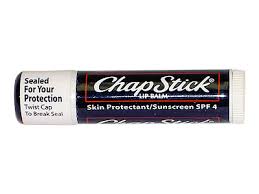 ChapStick brand lip balm is some seriously nasty stuff. The original flavor even contains the controversial carcinogenic oxybenzone. The full list of ingredients is: arachidyl propionate, camphor, carnauba wax, cetyl alcohol, D&C red no. 6 barium lake, FD&C yellow no. 5 aluminum lake, fragrance, isopropyl lanolate, isopropyl myristate, lanolin, light mineral oil, methylparaben, octyldodecanol, oleyl alcohol, paraffin, phenyl trimethicone, propylparaben, titanium dioxide, white wax, propanol.
Gross! I wouldn't eat any of that stuff or feed it to my kids, so why would I want to rub it on our lips, where it could potentially end up inside of our mouths?
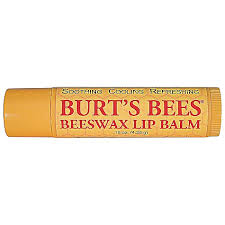 Burt's Bees is a common "natural" brand that is a little better for you. The ingredients for the beeswax lip balm are: beeswax, coconut oil, sunflower seed oil, peppermint
oil, lanolin, tocopherol, rosemary leaf
extract, soybean oil, canola oil,
and limonene.
Burt's Bees is a common "natural" brand that is a little better for you. The ingredients for the beeswax lip balm are: beeswax, coconut oil, sunflower seed oil, peppermint
oil, lanolin, tocopherol, rosemary leaf
extract, soybean oil, canola oil,
and limonene.
These ingredients aren't horrible, but I know that the oils and extracts that companies like this use are not food-grade. I wouldn't fry my eggs in the canola or soybean oil they use in this product, so I don't want to taste it on my lips.
I had finally found a great locally-made chapstick at our local bulk foods store, but the Amish man who made the stuff moved out of the area and it was no longer available. After my son ruined my last tube of this wonderful stuff, I decided to look at the ingredients and see if it was something I could handle making myself.

I felt really silly for paying that $2.99 after taking a look at how simple it is - beeswax, coconut oil, honey and vanilla extract.
The beeswax is to help solidify the mixture.
The oil is obviously the moisturizer. As you may know, I'm a huge fan of coconut oil for its nutritional benefits. But coconut oil is also antimicrobial and anti-aging because of its high lauric acid content. It's great for skin and can even help heal bruises and rashes.
The honey is what preserves the lip balm. Not only does the honey taste good, but it will keep the mixture from molding.
The vanilla is for flavor, but you could use anything in its place.

For my balm I decided to use peppermint oil instead of vanilla. I like the soothing and calming effect that peppermint seems to have on me.
My recipe:
10 T coconut oil
3 T beeswax
1 T honey
30ish drops of essential oil
I placed the coconut oil and beeswax in a double broiler and melted it down. It would be much faster to grate or chop your beeswax.

Once everything melted I added my honey. Make sure your honey completely mixes with the oil. It's going to naturally want to separate, so it takes a little work to keep it mixed.
Once you take it off the stove, add your essential oils. If you add the oil while it's on the heat you run the risk of breaking it down and losing the scent.
From here I filled my containers. I prefer a lip balm that I can use my finger to apply, but my son needs it in a tube or we'll end up with grease everywhere. You can order empty tubes online.
For this batch I filled empty lidded paint cups that I got at Hobby Lobby 12 for $2.99, so they end up costing a quarter each. The great thing is that they can also be reused when I make my next batch.

I use one of my kids' medicine syringes to fill them. Something like this is especially helpful for filling the tubes.

You want to make sure you stir your mixture before filling each container.
The recipe I posted above filled 15 of my containers. I figured my cost to be a little over fifty cents each. Why would I ever buy lip balm again??

This stuff is rich and creamy and really stays on your lips for a while (that is if you can keep from licking it off your lips - it tastes wonderful)!
These would make a wonderful Christmas gift for friends and coworkers. You could even slap a cute mailing label around the container to dress it up a bit.

The total time to make these was less than twenty minutes and it was so easy my five year old could do it. In fact, when his empty tubes arrive in the mail I plan on having him make his own batch (with a little supervision).
After this project I have realized just how much money you can save by making your own moisturizing products. In the next week I plan to make some diaper rash cream, lotion bars, belly butter (to prevent stretch marks on my pregnant belly) and cream for my second child's eczema. I'll make sure to share my results after some experimentation when I settle on recipes that work.
I think we know what everyone around me is getting for Christmas this year! :)
Gross! I wouldn't eat any of that stuff or feed it to my kids, so why would I want to rub it on our lips, where it could potentially end up inside of our mouths?
These ingredients aren't horrible, but I know that the oils and extracts that companies like this use are not food-grade. I wouldn't fry my eggs in the canola or soybean oil they use in this product, so I don't want to taste it on my lips.
I had finally found a great locally-made chapstick at our local bulk foods store, but the Amish man who made the stuff moved out of the area and it was no longer available. After my son ruined my last tube of this wonderful stuff, I decided to look at the ingredients and see if it was something I could handle making myself.

I felt really silly for paying that $2.99 after taking a look at how simple it is - beeswax, coconut oil, honey and vanilla extract.
The beeswax is to help solidify the mixture.
The oil is obviously the moisturizer. As you may know, I'm a huge fan of coconut oil for its nutritional benefits. But coconut oil is also antimicrobial and anti-aging because of its high lauric acid content. It's great for skin and can even help heal bruises and rashes.
The honey is what preserves the lip balm. Not only does the honey taste good, but it will keep the mixture from molding.
The vanilla is for flavor, but you could use anything in its place.

For my balm I decided to use peppermint oil instead of vanilla. I like the soothing and calming effect that peppermint seems to have on me.
My recipe:
10 T coconut oil
3 T beeswax
1 T honey
30ish drops of essential oil
I placed the coconut oil and beeswax in a double broiler and melted it down. It would be much faster to grate or chop your beeswax.

Once everything melted I added my honey. Make sure your honey completely mixes with the oil. It's going to naturally want to separate, so it takes a little work to keep it mixed.
Once you take it off the stove, add your essential oils. If you add the oil while it's on the heat you run the risk of breaking it down and losing the scent.
From here I filled my containers. I prefer a lip balm that I can use my finger to apply, but my son needs it in a tube or we'll end up with grease everywhere. You can order empty tubes online.
For this batch I filled empty lidded paint cups that I got at Hobby Lobby 12 for $2.99, so they end up costing a quarter each. The great thing is that they can also be reused when I make my next batch.

I use one of my kids' medicine syringes to fill them. Something like this is especially helpful for filling the tubes.

You want to make sure you stir your mixture before filling each container.
The recipe I posted above filled 15 of my containers. I figured my cost to be a little over fifty cents each. Why would I ever buy lip balm again??

This stuff is rich and creamy and really stays on your lips for a while (that is if you can keep from licking it off your lips - it tastes wonderful)!
These would make a wonderful Christmas gift for friends and coworkers. You could even slap a cute mailing label around the container to dress it up a bit.

The total time to make these was less than twenty minutes and it was so easy my five year old could do it. In fact, when his empty tubes arrive in the mail I plan on having him make his own batch (with a little supervision).
After this project I have realized just how much money you can save by making your own moisturizing products. In the next week I plan to make some diaper rash cream, lotion bars, belly butter (to prevent stretch marks on my pregnant belly) and cream for my second child's eczema. I'll make sure to share my results after some experimentation when I settle on recipes that work.
I think we know what everyone around me is getting for Christmas this year! :)
Thursday, April 29, 2010
Coconut Oil
I became a big fan of coconut oil a few years ago, when I discovered that it helped my Crohn's symptoms. Originally, I was concerned about the amount of saturated fat in the oil, but the more I researched it, the more I realized how good it actually is for you.
Coconut Oil Myths
Modern nutritionists try to tell us that eating plant-based oils are best for us, because they are unsaturated fats. They do this because there is a fear that all saturated fat contributes to heart disease and obesity. While most of the saturated fats in our diets do contribute to those health problems, it is the hydrogenated oils that are the contributing factor. Throughout history there are populations of people that have lived off of natural saturated fats, like butter and coconut oil, without having heart problems like we see in our culture. The butter and coconut oil are not the problem, the hydrogenated items like margarine are.
Here is a prime example of the misinformation I'm talking about. How can an organic, pastured egg or fresh, wild-caught seafood be harmful? A better list of fats, in order of best to worst for you, can be found here.
Sure, if someone eats nothing but butter and coconut oil all day long, their heart is going to pay the price. But if you're eating a healthy, balanced diet full of organic fruits, veggies, grains, and meats, and staying away from the processed foods that are full of saturated fats, butter and coconut oil are actually very good for you.
Even though soybean, cottonseed, canola, sunflower, and safflower oils may appear to be healthier because they do not contain saturated fats, there are other factors to consider. Most of these oils are derived from genetically-modified sources. They are usually rancid due to their extraction processes, and wreak havoc on our digestive and immune systems. If not rancid prior to consumption, they will oxidize inside our bodies due to the heat. Coconut oil does not become rancid easily, and in fact can be held at room temperature for over a year without showing any signs, because of antioxidants.
The health benefits of coconut oil
Antimicrobal/Antiseptic - Coconut oil contains 40% lauric acid, the anti-viral component of breast milk. Our bodies convert the acid to a substance that protects us from infection.
Disease-fighting - Due to the high lauric acid content, coconut oil helps fight current illnesses.
Thyroid-Stimulating - Coconut oil stimulates the thyroid, giving you more energy and helping you lose weight. Animals fed coconut oil are more lean, active, and have higher appetites. This is why most farmers feed their animals diets that are high in unsaturated fats - they fatten them up with less food because of the anti-thyroid effects.
Anti-Aging - Due to the thyroid-stimulating properties of coconut oil, there are an increase of anti-aging steroids, pregnenolone, progesterone and DHEA - which help prevent aging and degenerative diseases.
Anti-Cancer - Animals fed diets high in unsaturated fats have more tumors. Researchers have also noted that incidences of cancer have increased when native populations are introduced to our American diets.
Digestive - Due to its antimicrobal properties, coconut oil fights indigestion and assists in the absorption of nutrients.
Skin and Haircare - Coconut oil is an excellent conditioner that helps repair damaged hair and fight dandruff, psoriasis, eczema, etc. When applied to the skin, it also helps to heal a bruise more quickly and can treat rashes, like diaper rash and yeast.
To learn about the many other benefits of coconut oil, click here.
How to use coconut oil
Besides the uses for skin and hair listed above, coconut oil can also be used for a variety of other purposes. It is a natural, safe alternative to other unnatural sexual lubricants, which contain many toxins. You can also simply apply a generous layer of the oil to cuts and scrapes to provide a protective barrier that will also heal the wound.
Coconut oil is solid when at room temperature, so when cooking with it, you may need to soften it first. I use it in place of butter in all of my baking recipes, as a dairy-free alternative for my allergic son. The oil has a sweet taste that makes it perfect for sweets and breads.
I also use my coconut oil in place of butter or cooking sprays in prepartio for baking. I just scoop out a small amount and smear it all over my pans and dishes in the same way I would use butter.
The bottom line
Most nutritionists have it wrong. While their intentions are good, their focus in wrong. Sure, we should all be trying to limit the amount of saturated fat in our diets, but we should be doing it by actually limiting the amount of food we eat, not by maintaining the same excessive diets and simply replacing the fats with unsaturated ones. Those unsaturated fats pose entirely different health risks. We need to also look at the health benefits of eating saturated fats in moderation.
So enjoy your butter and coconut oil - just don't overdo it. Your waistline, immune system, heart, thyroid, skin, hair, colon, cells and taste buds will thank you!
Edited to add: You want to use virgin coconut oil, not the refined types.
-Jessica
Sources:
"Coconutoil.com - Coconut Oil: Why It Is Good For You." Coconutoil.com - Research on Coconut Oil's Benefits. Web. 29 Apr. 2010..
"Health Benefits of Coconut Oil Organic Coconut Oil Organic Oils." Organic Facts Home. Web. 29 Apr. 2010..
Rubin, Jordan. The Maker's Diet. Lake Mary, Fla.: Siloam, 2004. Print.
Coconut Oil Myths
Modern nutritionists try to tell us that eating plant-based oils are best for us, because they are unsaturated fats. They do this because there is a fear that all saturated fat contributes to heart disease and obesity. While most of the saturated fats in our diets do contribute to those health problems, it is the hydrogenated oils that are the contributing factor. Throughout history there are populations of people that have lived off of natural saturated fats, like butter and coconut oil, without having heart problems like we see in our culture. The butter and coconut oil are not the problem, the hydrogenated items like margarine are.
Here is a prime example of the misinformation I'm talking about. How can an organic, pastured egg or fresh, wild-caught seafood be harmful? A better list of fats, in order of best to worst for you, can be found here.
Sure, if someone eats nothing but butter and coconut oil all day long, their heart is going to pay the price. But if you're eating a healthy, balanced diet full of organic fruits, veggies, grains, and meats, and staying away from the processed foods that are full of saturated fats, butter and coconut oil are actually very good for you.
Even though soybean, cottonseed, canola, sunflower, and safflower oils may appear to be healthier because they do not contain saturated fats, there are other factors to consider. Most of these oils are derived from genetically-modified sources. They are usually rancid due to their extraction processes, and wreak havoc on our digestive and immune systems. If not rancid prior to consumption, they will oxidize inside our bodies due to the heat. Coconut oil does not become rancid easily, and in fact can be held at room temperature for over a year without showing any signs, because of antioxidants.
The health benefits of coconut oil
Antimicrobal/Antiseptic - Coconut oil contains 40% lauric acid, the anti-viral component of breast milk. Our bodies convert the acid to a substance that protects us from infection.
Disease-fighting - Due to the high lauric acid content, coconut oil helps fight current illnesses.
Thyroid-Stimulating - Coconut oil stimulates the thyroid, giving you more energy and helping you lose weight. Animals fed coconut oil are more lean, active, and have higher appetites. This is why most farmers feed their animals diets that are high in unsaturated fats - they fatten them up with less food because of the anti-thyroid effects.
Anti-Aging - Due to the thyroid-stimulating properties of coconut oil, there are an increase of anti-aging steroids, pregnenolone, progesterone and DHEA - which help prevent aging and degenerative diseases.
Anti-Cancer - Animals fed diets high in unsaturated fats have more tumors. Researchers have also noted that incidences of cancer have increased when native populations are introduced to our American diets.
Digestive - Due to its antimicrobal properties, coconut oil fights indigestion and assists in the absorption of nutrients.
Skin and Haircare - Coconut oil is an excellent conditioner that helps repair damaged hair and fight dandruff, psoriasis, eczema, etc. When applied to the skin, it also helps to heal a bruise more quickly and can treat rashes, like diaper rash and yeast.
To learn about the many other benefits of coconut oil, click here.
How to use coconut oil
Besides the uses for skin and hair listed above, coconut oil can also be used for a variety of other purposes. It is a natural, safe alternative to other unnatural sexual lubricants, which contain many toxins. You can also simply apply a generous layer of the oil to cuts and scrapes to provide a protective barrier that will also heal the wound.
Coconut oil is solid when at room temperature, so when cooking with it, you may need to soften it first. I use it in place of butter in all of my baking recipes, as a dairy-free alternative for my allergic son. The oil has a sweet taste that makes it perfect for sweets and breads.
I also use my coconut oil in place of butter or cooking sprays in prepartio for baking. I just scoop out a small amount and smear it all over my pans and dishes in the same way I would use butter.
The bottom line
Most nutritionists have it wrong. While their intentions are good, their focus in wrong. Sure, we should all be trying to limit the amount of saturated fat in our diets, but we should be doing it by actually limiting the amount of food we eat, not by maintaining the same excessive diets and simply replacing the fats with unsaturated ones. Those unsaturated fats pose entirely different health risks. We need to also look at the health benefits of eating saturated fats in moderation.
So enjoy your butter and coconut oil - just don't overdo it. Your waistline, immune system, heart, thyroid, skin, hair, colon, cells and taste buds will thank you!
Edited to add: You want to use virgin coconut oil, not the refined types.
-Jessica
Sources:
"Coconutoil.com - Coconut Oil: Why It Is Good For You." Coconutoil.com - Research on Coconut Oil's Benefits. Web. 29 Apr. 2010.
"Health Benefits of Coconut Oil Organic Coconut Oil Organic Oils." Organic Facts Home. Web. 29 Apr. 2010.
Rubin, Jordan. The Maker's Diet. Lake Mary, Fla.: Siloam, 2004. Print.
Monday, April 5, 2010
How To Make Homemade Mayo
If you're like me, you probably have a lot of Easter eggs left over from the holiday and you aren't really sure what to do with them. Egg salad is always the obvious choice, but using mayonnaise is so unhealthy. Here are the ingredients in common types of mayo and other salad dressings.
Hellman's Real Mayonnaise Ingredients: soybean oil, water, whole eggs and egg yolks, vinegar, salt, sugar, lemon juice, natural flavors, and calcium disodium EDTA.
Soybean oil is the worst type of oil for you. Surely the types that contain olive oil are better for you, right?
Hellman's Olive Oil Mayonnaise Ingredients: water, oils (soybean oil, extra virgin olive oil), vinegar, whole eggs and egg yolks, modified corn starch, sugar, salt, lemon juice, (sorbic acid, calcium disodium EDTA), xanthan gum, citric acid, natural flavors, oleoresin paprika, beta carotene.
What about salad dressings?
Miracle Whip Ingredients: water, soybean oil, vinegar, high fructose corn syrup, sugar, modified food starch, eggs, salt, mustard flour, artificial color, potassium sorbate as a preservative, paprika, spice, natural flavor, dried garlic.
And the soy-free alternatives?
Hain's Safflower Mayonnaise Ingredients: expeller pressed safflower oil, whole eggs, grain vinegar, water, egg yolks, sea salt, dehydrated cane juice, spice, lemon juice concentrate, honey, d-alpha-tocopheryl acetate (Vitamin E), rosemary extractives, natural flavor, paprika extractives.
They are full of sugar, emulsifiers, coloring agents, preservatives, and chelating agents, as well as the mysterious "natural flavors". Yuck! Calcium disodium EDTA has to regulated by the FDA to only be used in certain amounts, because it is a toxin. Why would we want that in our food?
When making salads I like to make my own mayo. This recipe tastes great in things like potato salad and egg salad, but does not spread well on sandwiches.
Homemade Blender Mayo
1 egg
2 T lemon juice or vinegar
2 t paprika
2 t dry mustard
2 t salt
2 t honey
1 cup extra virgin olive oil
Add all of the ingredients except the olive oil to a blender or food processor and start. Slowly add the olive oil as the ingredients are blending.
Egg Salad Recipe
For my egg salad I doubled the recipe and used apple cider vinegar instead of lemon juice.


Add your eggs.

Add chopped veggies and stir.

Serve on homemade sourdough bread.

Enjoy!
-Jess
Hellman's Real Mayonnaise Ingredients: soybean oil, water, whole eggs and egg yolks, vinegar, salt, sugar, lemon juice, natural flavors, and calcium disodium EDTA.
Soybean oil is the worst type of oil for you. Surely the types that contain olive oil are better for you, right?
Hellman's Olive Oil Mayonnaise Ingredients: water, oils (soybean oil, extra virgin olive oil), vinegar, whole eggs and egg yolks, modified corn starch, sugar, salt, lemon juice, (sorbic acid, calcium disodium EDTA), xanthan gum, citric acid, natural flavors, oleoresin paprika, beta carotene.
What about salad dressings?
Miracle Whip Ingredients: water, soybean oil, vinegar, high fructose corn syrup, sugar, modified food starch, eggs, salt, mustard flour, artificial color, potassium sorbate as a preservative, paprika, spice, natural flavor, dried garlic.
And the soy-free alternatives?
Hain's Safflower Mayonnaise Ingredients: expeller pressed safflower oil, whole eggs, grain vinegar, water, egg yolks, sea salt, dehydrated cane juice, spice, lemon juice concentrate, honey, d-alpha-tocopheryl acetate (Vitamin E), rosemary extractives, natural flavor, paprika extractives.
They are full of sugar, emulsifiers, coloring agents, preservatives, and chelating agents, as well as the mysterious "natural flavors". Yuck! Calcium disodium EDTA has to regulated by the FDA to only be used in certain amounts, because it is a toxin. Why would we want that in our food?
When making salads I like to make my own mayo. This recipe tastes great in things like potato salad and egg salad, but does not spread well on sandwiches.
Homemade Blender Mayo
1 egg
2 T lemon juice or vinegar
2 t paprika
2 t dry mustard
2 t salt
2 t honey
1 cup extra virgin olive oil
Add all of the ingredients except the olive oil to a blender or food processor and start. Slowly add the olive oil as the ingredients are blending.
Egg Salad Recipe
For my egg salad I doubled the recipe and used apple cider vinegar instead of lemon juice.
Add your eggs.
Add chopped veggies and stir.
Serve on homemade sourdough bread.
Enjoy!
-Jess
Friday, January 15, 2010
Q&A: Sesame Oil
This question was asked in response to my post about olive oil.
Where does sesame oil fit in? Is it worse than those on your list?
I've been using an unrefined, expeller-pressed sesame oil for med heat (up to 350). The more I look into this oil, I'm finding that it's a really bad thing that it's in a clear bottle and isn't refrigerated. It's been in the cupboard for over a month (opened). Is it rancid? Should I just toss it?
According to Nourishing Traditions, sesame oil is very similar to peanut oil in composition. Because it contains high amounts of Vitamin E and antioxidants, it does not become rancid easily. These special antioxidants aren't effected by heat either, which would make you think it is good for cooking.
But, there are dangers associated with the use of sesame oil, and other similar oils that are high in omega-6 linoleic acid (peanut, safflower, corn, sunflower, soybean and cottonseed oils) and research is showing that too much in your diet may be bad for you. This same research suggests that heating the omega-6 oils is also bad.
Omega-6 can actually be really good for you if it is combined with the proper amounts of omega-3 (ratio of O-6 to O-3 should be somewhere between 3:1 and 1:1), however most of these omega-6 oils contain very little omega-3. Eating the improper ratio of these acids can lead to arthritis, heart disease, osteoporosis, cancer and inflammation. Unfortunately over 70% of the food in our grocery stores contain these types of oils.
The bottom line: if you're going to use sesame oil, or other omega-6 oils, use them sparingly and never when heated.
Sources:
"The Danger Of Too Much Omega-6 EnergyFanatics.Com." EnergyFanatics.Com - Physical Emotional Mental and Spiritual Energy. Web. 15 Jan. 2010..
Fallon, Sally. Nourishing traditions the cookbook that challenges politically correct nutrition and the diet dictocrats. Washington, DC: NewTrends Pub., 1999. Print.
Where does sesame oil fit in? Is it worse than those on your list?
I've been using an unrefined, expeller-pressed sesame oil for med heat (up to 350). The more I look into this oil, I'm finding that it's a really bad thing that it's in a clear bottle and isn't refrigerated. It's been in the cupboard for over a month (opened). Is it rancid? Should I just toss it?
According to Nourishing Traditions, sesame oil is very similar to peanut oil in composition. Because it contains high amounts of Vitamin E and antioxidants, it does not become rancid easily. These special antioxidants aren't effected by heat either, which would make you think it is good for cooking.
But, there are dangers associated with the use of sesame oil, and other similar oils that are high in omega-6 linoleic acid (peanut, safflower, corn, sunflower, soybean and cottonseed oils) and research is showing that too much in your diet may be bad for you. This same research suggests that heating the omega-6 oils is also bad.
Omega-6 can actually be really good for you if it is combined with the proper amounts of omega-3 (ratio of O-6 to O-3 should be somewhere between 3:1 and 1:1), however most of these omega-6 oils contain very little omega-3. Eating the improper ratio of these acids can lead to arthritis, heart disease, osteoporosis, cancer and inflammation. Unfortunately over 70% of the food in our grocery stores contain these types of oils.
The bottom line: if you're going to use sesame oil, or other omega-6 oils, use them sparingly and never when heated.
Sources:
"The Danger Of Too Much Omega-6 EnergyFanatics.Com." EnergyFanatics.Com - Physical Emotional Mental and Spiritual Energy. Web. 15 Jan. 2010.
Fallon, Sally. Nourishing traditions the cookbook that challenges politically correct nutrition and the diet dictocrats. Washington, DC: NewTrends Pub., 1999. Print.
Saturday, October 24, 2009
Oil Extraction Techniques
There are different extraction processes for making an oil from a fruit, vegetable, nut or seed. You may have seen the words "expeller-pressed" or "cold-pressed" on a bottle before and wondered what that meant.
The cheapest and most common method for extracting oils involves heating the seed to an extremely high temperature and crushing it, thus causing exposure to even more heat through friction. Any oils not obtained through the pressure are treated with a hexane solvent, some of which remains on the oil even after it is washed away.
The high heat from this process creates free radicals and destroys the antioxidants that normally protect us from them. And although hexane levels are generally low in the oils, hexane poisoning can cause muscular and vision problems.
Another extraction process is called expeller-expression. In this technique the seeds are drilled and exposed to lower temperatures. Some expeller-pressed oils are still treated with hexane. This is why it is important to make sure your oils are organic.
Cold-pressed oils are those that have not been exposed to high temperatures, but there is little regulation in the United States as to what defines a high temperature. Some expeller-pressed oils are not considered cold-pressed.
Why does it matter how the oils are extracted?
As I mentioned before, organic expeller-pressed oils are not treated with chemicals, additives or preservatives. But these oils are also healthier because if stored correctly they are not rancid like oils made from other extraction processes. Most oils turn sour when they are exposed to too much heat, light or oxygen. So, the bottles of oil on the grocery store shelf are usually rancid before you even open them, making them full of free radicals and bad for your intestinal health. The oils generally don't smell sour because they go through a deodorizing process.
Tip: Always remember to store your expeller-pressed oils in a dark container in the fridge so you limit their exposure to light and heat.
To see a chart of oils from best to worst for you, click here.
-Jessica
Source:
Fallon, Sally. Nourishing traditions the cookbook that challenges politically correct nutrition and the diet dictocrats. Washington, DC: NewTrends Pub., 1999.
The cheapest and most common method for extracting oils involves heating the seed to an extremely high temperature and crushing it, thus causing exposure to even more heat through friction. Any oils not obtained through the pressure are treated with a hexane solvent, some of which remains on the oil even after it is washed away.
The high heat from this process creates free radicals and destroys the antioxidants that normally protect us from them. And although hexane levels are generally low in the oils, hexane poisoning can cause muscular and vision problems.
Another extraction process is called expeller-expression. In this technique the seeds are drilled and exposed to lower temperatures. Some expeller-pressed oils are still treated with hexane. This is why it is important to make sure your oils are organic.
Cold-pressed oils are those that have not been exposed to high temperatures, but there is little regulation in the United States as to what defines a high temperature. Some expeller-pressed oils are not considered cold-pressed.
Why does it matter how the oils are extracted?
As I mentioned before, organic expeller-pressed oils are not treated with chemicals, additives or preservatives. But these oils are also healthier because if stored correctly they are not rancid like oils made from other extraction processes. Most oils turn sour when they are exposed to too much heat, light or oxygen. So, the bottles of oil on the grocery store shelf are usually rancid before you even open them, making them full of free radicals and bad for your intestinal health. The oils generally don't smell sour because they go through a deodorizing process.
Tip: Always remember to store your expeller-pressed oils in a dark container in the fridge so you limit their exposure to light and heat.
To see a chart of oils from best to worst for you, click here.
-Jessica
Source:
Fallon, Sally. Nourishing traditions the cookbook that challenges politically correct nutrition and the diet dictocrats. Washington, DC: NewTrends Pub., 1999.
Tuesday, October 20, 2009
Food Combinations For Optimal Health
Several years ago Adam and I noticed that the order in which we were eating our foods was having an effect on our digestion. At the time I was reading The Maker's Diet by Jordan Rubin, which talked a little about food combining diets. We looked into it briefly and made a few changes to our diets - mainly eating our salads and fruits first so that they didn't sit and rot in our stomachs after we were done eating. Adam noticed a change in his digestion immediately.
On the way home from work a few weeks ago, he heard a radio program by Dr. Ann Wigmore about food combinations and it reignited our interest in the topic. Many of the things we have learned during our research over the past few weeks has been very interesting.
Fun food-combining facts:
Eat Vitamin C with Green Tea because it increases the absorption of the antioxidants in the tea. For example - squeeze lemon into your tea.
Eat Vitamin-rich foods with Fats because many essential vitamins (especially A,D and E) are absorbed best by the body when eaten with fats. For example - cook your vitamin-rich veggies in an oil.
Eat Garlic with Fish because studies show the garlic helps lower the LDL-cholesterol in fish oil.
Eat Turmeric with Black Pepper because the piperine in the pepper increases the anti-cancer, anti-inflammatory, and tumor-fighting effects of the turmeric.
Eat Rosemary with Grilled Meat because the herbs antioxidants soak up the carcinogens in the meat. Eating cruciferous vegetables with grilled meat is also recommended. Read more about that here.
Eat Leafy Greens with Citrus because Vitamin C helps your body absorb plant-based iron. For example - squeeze lemon on your spinach.
Eat Oatmeal with Vitamin C because the combination of the phenols in both foods stabilizes LDL cholesterol. For example - squeeze an orange into your oatmeal.
Other Food Combination Rules:
These are based on Dr. Ann Wigmore's program.
1 - Eating one food per sitting is always best.
2 - Melons should always be eaten alone.
3 - There are three kinds of fruits - acid, subacid and sweet. Never eat acidic (orange, grapefruit, pomegranate, strawberry, pineapple, tangerine, lemon, lime, and kiwi) and sweet (banana, dates, raisins, papaya, fresh fig, grapes, persimmon and other dried fruits) together.
4 - Don't mix fruits and veggies, except for tomatoes.
5 - Don't mix starches and proteins, because starches create alkali in the stomach, while proteins create acid - they neutralize one another and make digestion difficult.
6 - Don't drink while eating because it dilutes your stomach acid and enzymes, making it harder to digest food.
7 - Eat raw foods before cooked.
8 - Only eat one type of protein per meal.
9 - Don't eat milk with meat.
10 - Don't drink wine with ale or beer.
Some of these things seem like common sense, but others go against everything our society teaches about healthy eating. We have always been told that you should eat a well-balanced meal, complete with protein, carbs, fruits, veggies and a large glass of water to keep you from overeating. This research by Dr. Wigmore shows that doing so causes serious digestive problems, which may be the reason that the average American walks around with nearly 5 pounds of undigested, rotting meat in their system.
We hear a lot about how eating small meals, or grazing, throughout the day is a great way to keep your metabolism burning, but it may also be a good way to follow these food combination rules. Eating one item at each sitting, several times throughout the day, may be the best way to keep your digestive system healthy.
I realize that there are a lot of different rules out there and it is really hard to keep them all in mind when you are planning a meal. I think that every little bit helps and if you can remember to do a few of them at a time it is better than not doing any of them at all. Eventually the rules will become easier to follow as you slowly incorporate them into your diet.
-Jessica
Sources:
"Ann Wigmore and the Hippocrates Health Program." Reasonably, Rationally, and Realistically Raw. Web. 20 Oct. 2009..
"Healthy Food Combinations." Buzzle Web Portal: Intelligent Life on the Web. Web. 20 Oct. 2009..
"Healthy Food Combinations: Men's Health.com." Men's Health - Men's Guide to Fitness, Health, Weight Loss, Nutrition, Sex, Style and Guy Wisdom. Web. 20 Oct. 2009..
"Vitamin C May Boost Absorption of Green Tea's Antioxidants." Alternative Medicine - Everything You Need to Know About Alternative Medicine. Web. 20 Oct. 2009..
On the way home from work a few weeks ago, he heard a radio program by Dr. Ann Wigmore about food combinations and it reignited our interest in the topic. Many of the things we have learned during our research over the past few weeks has been very interesting.
Fun food-combining facts:
Eat Vitamin C with Green Tea because it increases the absorption of the antioxidants in the tea. For example - squeeze lemon into your tea.
Eat Vitamin-rich foods with Fats because many essential vitamins (especially A,D and E) are absorbed best by the body when eaten with fats. For example - cook your vitamin-rich veggies in an oil.
Eat Garlic with Fish because studies show the garlic helps lower the LDL-cholesterol in fish oil.
Eat Turmeric with Black Pepper because the piperine in the pepper increases the anti-cancer, anti-inflammatory, and tumor-fighting effects of the turmeric.
Eat Rosemary with Grilled Meat because the herbs antioxidants soak up the carcinogens in the meat. Eating cruciferous vegetables with grilled meat is also recommended. Read more about that here.
Eat Leafy Greens with Citrus because Vitamin C helps your body absorb plant-based iron. For example - squeeze lemon on your spinach.
Eat Oatmeal with Vitamin C because the combination of the phenols in both foods stabilizes LDL cholesterol. For example - squeeze an orange into your oatmeal.
Other Food Combination Rules:
These are based on Dr. Ann Wigmore's program.
1 - Eating one food per sitting is always best.
2 - Melons should always be eaten alone.
3 - There are three kinds of fruits - acid, subacid and sweet. Never eat acidic (orange, grapefruit, pomegranate, strawberry, pineapple, tangerine, lemon, lime, and kiwi) and sweet (banana, dates, raisins, papaya, fresh fig, grapes, persimmon and other dried fruits) together.
4 - Don't mix fruits and veggies, except for tomatoes.
5 - Don't mix starches and proteins, because starches create alkali in the stomach, while proteins create acid - they neutralize one another and make digestion difficult.
6 - Don't drink while eating because it dilutes your stomach acid and enzymes, making it harder to digest food.
7 - Eat raw foods before cooked.
8 - Only eat one type of protein per meal.
9 - Don't eat milk with meat.
10 - Don't drink wine with ale or beer.
Some of these things seem like common sense, but others go against everything our society teaches about healthy eating. We have always been told that you should eat a well-balanced meal, complete with protein, carbs, fruits, veggies and a large glass of water to keep you from overeating. This research by Dr. Wigmore shows that doing so causes serious digestive problems, which may be the reason that the average American walks around with nearly 5 pounds of undigested, rotting meat in their system.
We hear a lot about how eating small meals, or grazing, throughout the day is a great way to keep your metabolism burning, but it may also be a good way to follow these food combination rules. Eating one item at each sitting, several times throughout the day, may be the best way to keep your digestive system healthy.
I realize that there are a lot of different rules out there and it is really hard to keep them all in mind when you are planning a meal. I think that every little bit helps and if you can remember to do a few of them at a time it is better than not doing any of them at all. Eventually the rules will become easier to follow as you slowly incorporate them into your diet.
-Jessica
Sources:
"Ann Wigmore and the Hippocrates Health Program." Reasonably, Rationally, and Realistically Raw. Web. 20 Oct. 2009.
"Healthy Food Combinations." Buzzle Web Portal: Intelligent Life on the Web. Web. 20 Oct. 2009.
"Healthy Food Combinations: Men's Health.com." Men's Health - Men's Guide to Fitness, Health, Weight Loss, Nutrition, Sex, Style and Guy Wisdom. Web. 20 Oct. 2009.
"Vitamin C May Boost Absorption of Green Tea's Antioxidants." Alternative Medicine - Everything You Need to Know About Alternative Medicine. Web. 20 Oct. 2009.
Monday, June 8, 2009
Olive Oil
Have you ever noticed how sometimes when you are cooking with olive oil it ends up smelling and tasting funny? You could be using it incorrectly. Extra virgin olive oil has become a staple in most kitchens and on shows like Rachael Ray you can see her frying just about everything up with EVOO. What these shows fail to tell you is that cooking with olive oil at too high of a temperature makes it less healthy and possibly rancid.
Olive oil is decently healthy - on the nutritious fats/oils list it falls somewhere in the middle - at the bottom of the good list (ranked from best to worst):
Olive oil is decently healthy - on the nutritious fats/oils list it falls somewhere in the middle - at the bottom of the good list (ranked from best to worst):
- Ghee and butter
- Duck fat
- Chicken fat
- Lard
- Beef tallow
- Coconut oil
- Palm kernel oil
- Palm oil
- Olive oil
- Safflower oil
- Sunflower oil
- Cottonseed oil
- Peanut oil
- Corn oil
- Canola oil
- Soy Oil
The bottom four are pretty much unfit for human consumption, which is ironic because if you pick up any processed food item in the store you can pretty much bet it will contain one of them. Soy oil is found in 70% of store bought food. And you may be thinking "she's just saying that because she can't have soy", but if you think about it - why are these oils used in all of our food? They are the cheapest. And why are they so cheap? Because they are genetically modified and less nutritious than the other fats and oils. Also, their extraction process makes them rancid. But I'll save that for another post.
Like I said, olive oil is decently healthy. It's high in antioxidants, omega acids, oleic acid, vitamin E and enzymes. But in order to reap these benefits, you must use it correctly.
Different types of olive oil:
- Extra Virgin Olive Oil - oil from the first cold-pressing, that is made without chemical or high temperature extraction methods. Has an oleic acid level of <1%.
- Virgin Olive Oil - also from the first cold-pressing and made from the same extraction methods as EVOO. Has an oleic acid level of <2%.
- Pure Olive Oil - blend of VOO and refined olive oil. Same acidity as VOO.
- Light Olive Oil - contains very little if any EVOO.
Don't let the "light" labeling fool you - all of these oils have about 125 calories per tablespoon.
So, what's the point of all of this? If you are buying extra virgin olive oil because it is better for you than the other types of olive oils, but then using it for high-heat cooking or baking, you are basically paying more for the oil but then defeating the purpose. You are paying extra to make your oil rancid and less nutritious.
How the different oils should be used:
- Extra Virgin Olive Oil/Virgin Olive Oil - use as a salad dressing, marinade, or sauce. Add to your food after it has been cooked.
- Classic Olive Oil - use for sauteing and grilling.
- Light Olive Oil - use for baking and high-heat cooking.
-Jessica
Sources:
Feister, D.O., Wayne A. "Fats and Oils." Weston A. Price Meeting. Lima.
"Types of Olive Oil." Explore Crete, guide for real Crete. 08 June 2009 http://www.explorecrete.com/nature/olive-oil-types.html#extra_virgin_olive_oil.
Fallon, Sally. Nourishing traditions the cookbook that challenges politically correct nutrition and the diet dictocrats. Washington, DC: NewTrends Pub., 1999.
Subscribe to:
Posts (Atom)